Into the Woods
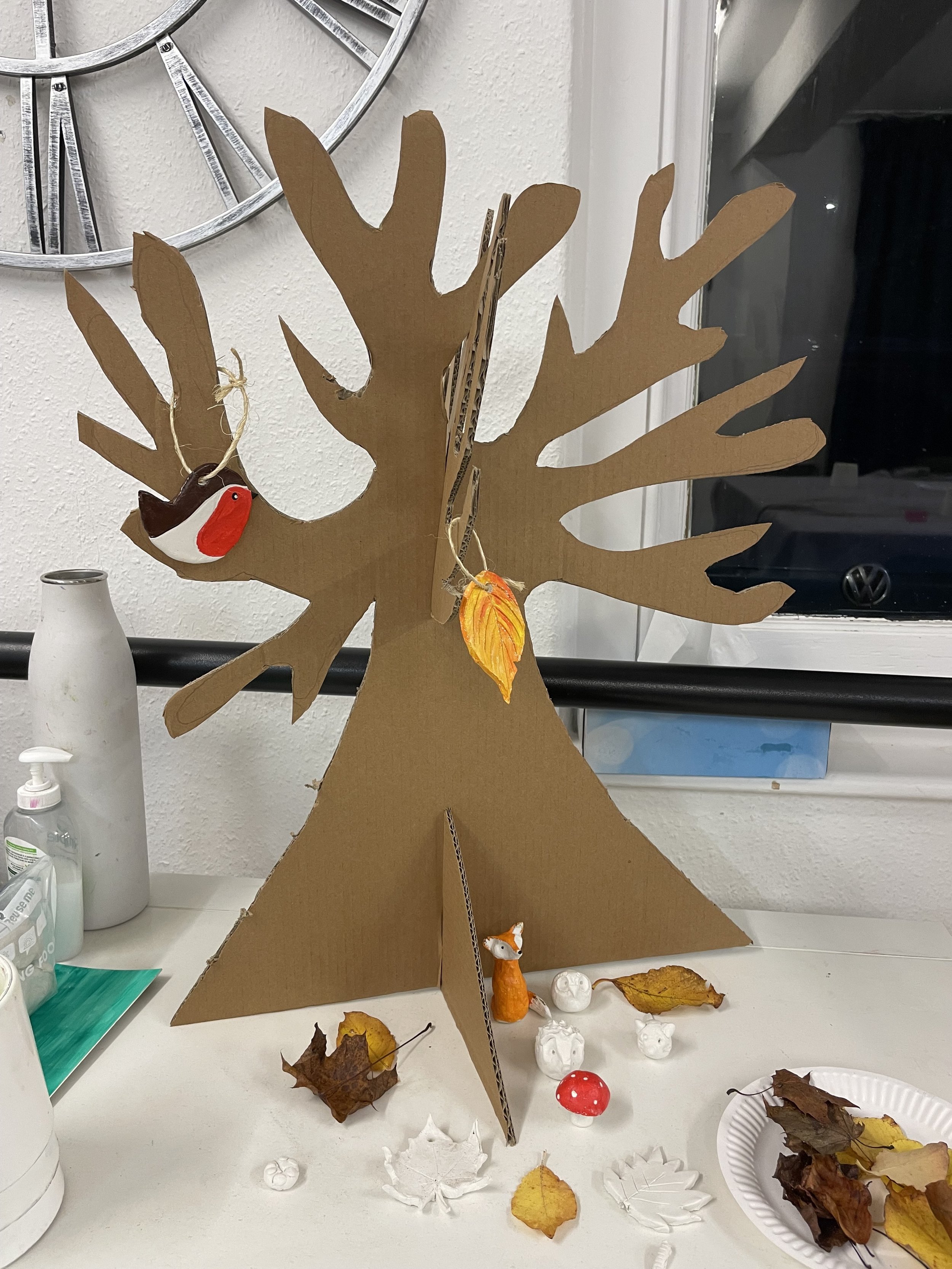
Thursday 27th November marked the beginning of National Tree Week. This annual event, now in its fiftieth year, raises awareness about the vital role trees play in our environment and provided acres of inspiration for the Woodland theme we’ve enjoyed exploring over the past couple of weeks in The Art Room.
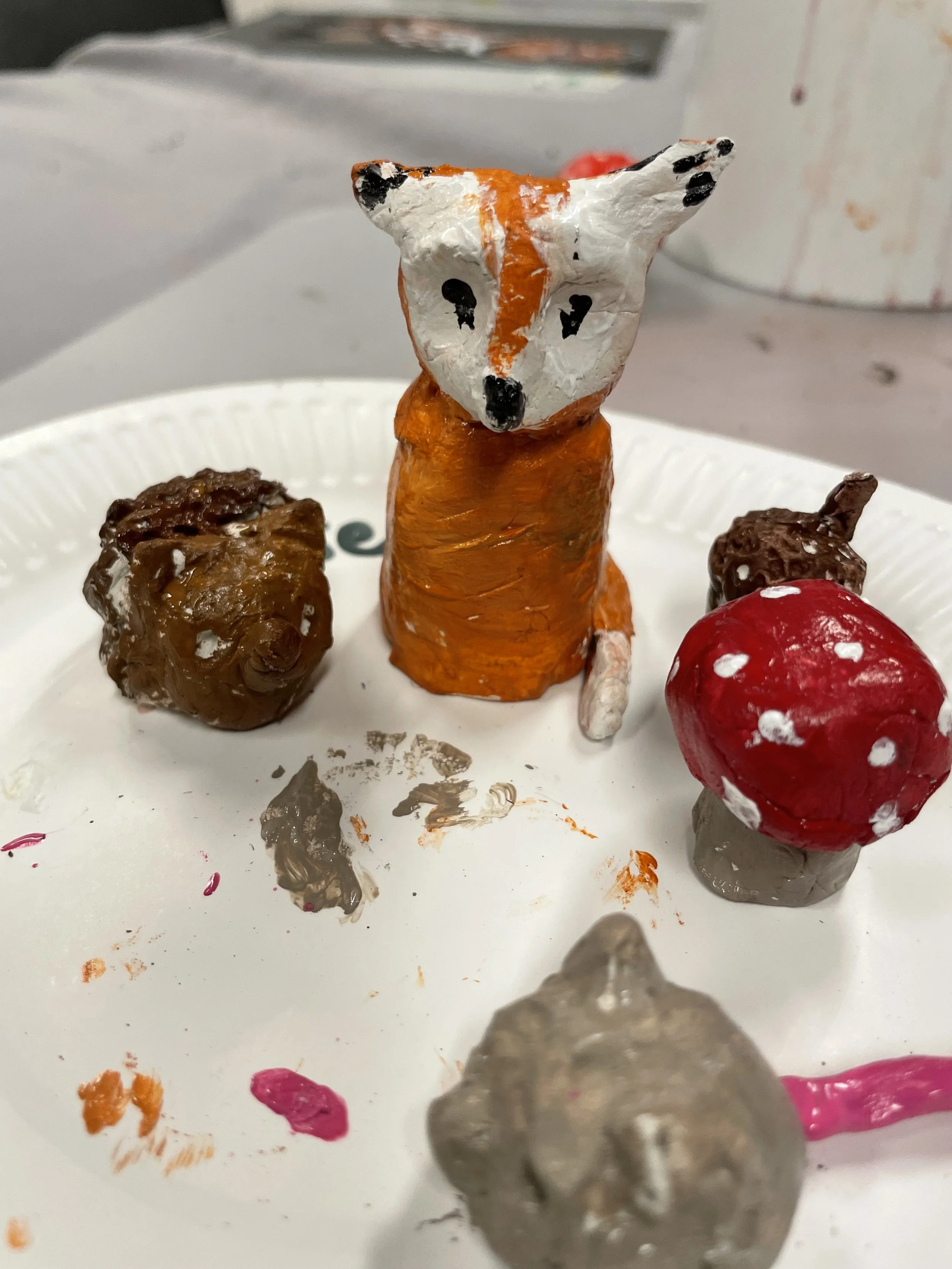
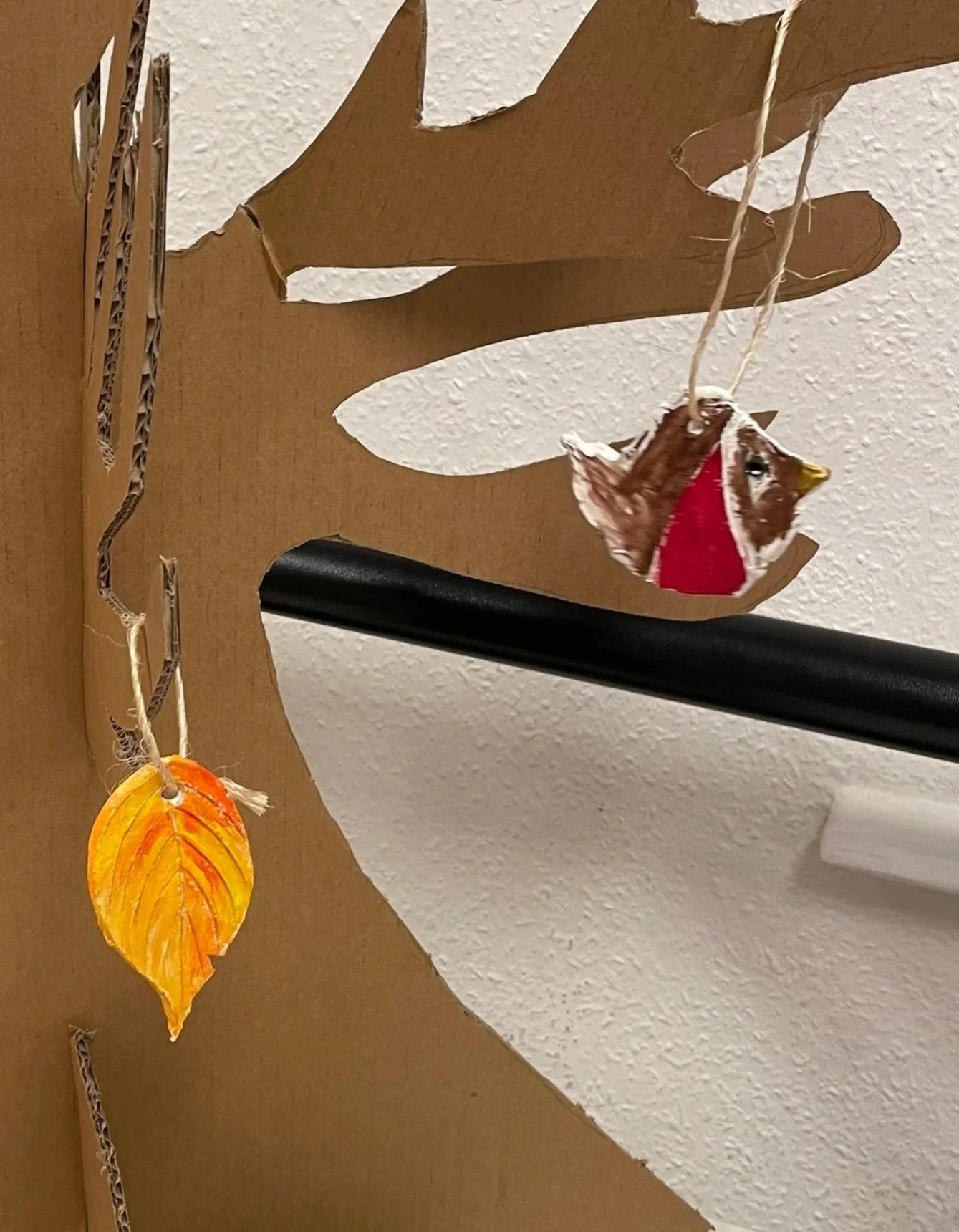
Our sculpture and drawing activities began with the idea of a simple cardboard tree, a symbol of the woodland, cut from discarded packaging—material originally made from wood pulp, which comes from the trees in our landscape. In our first woodland session, the children shared their observations of the changes in the woods, fields, and gardens during autumn and chatted about how the leaves shift in colour, fall to the ground, and leave behind bare branches that reach toward the wintery sky. We talked about the woodland as a habitat for living things and our young artists found inspiration in the plants and animals that thrive on the forest floor or in the tree canopy during this time of year to create their own miniature clay models to display alongside The Art Room tree.
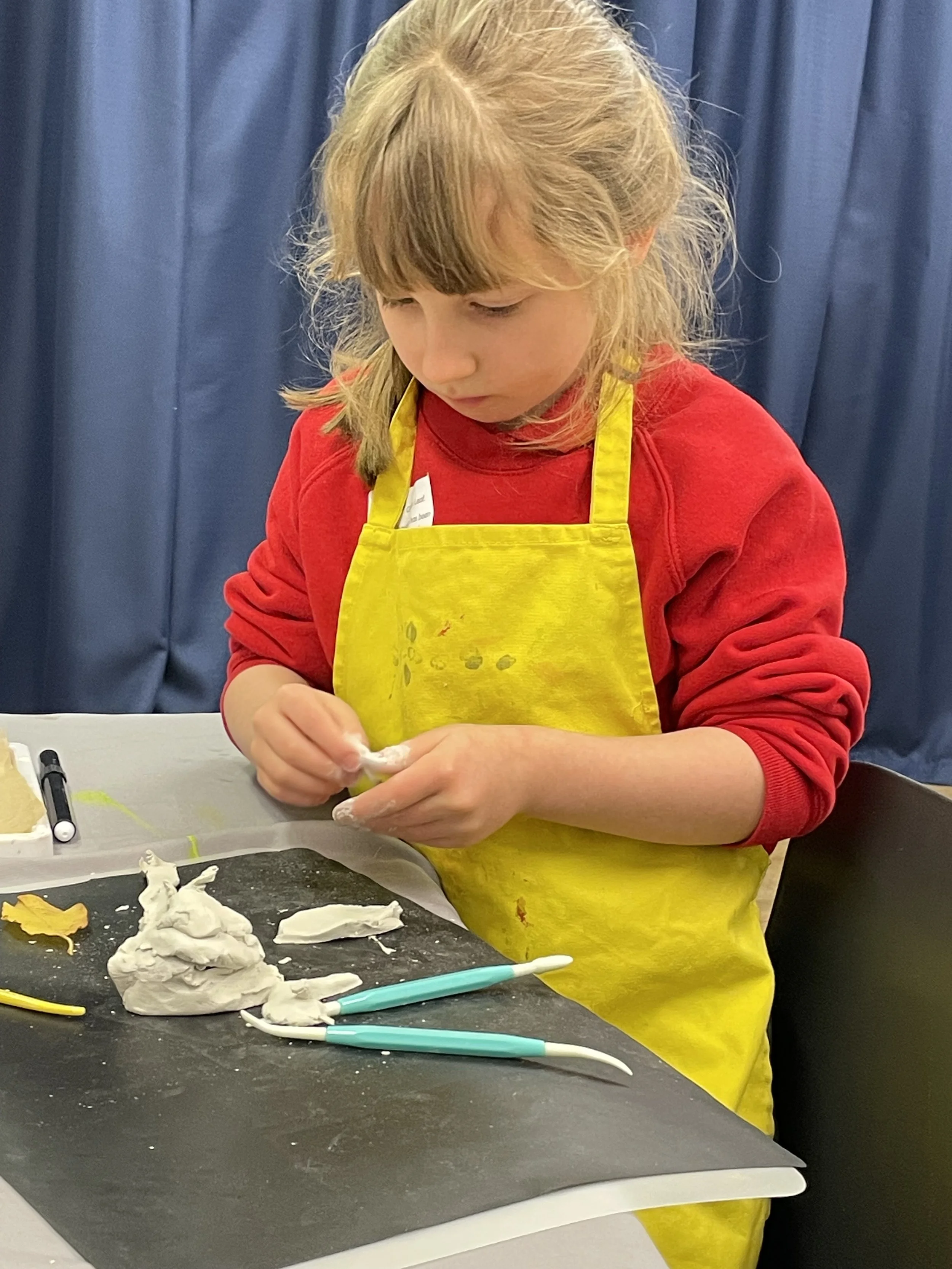
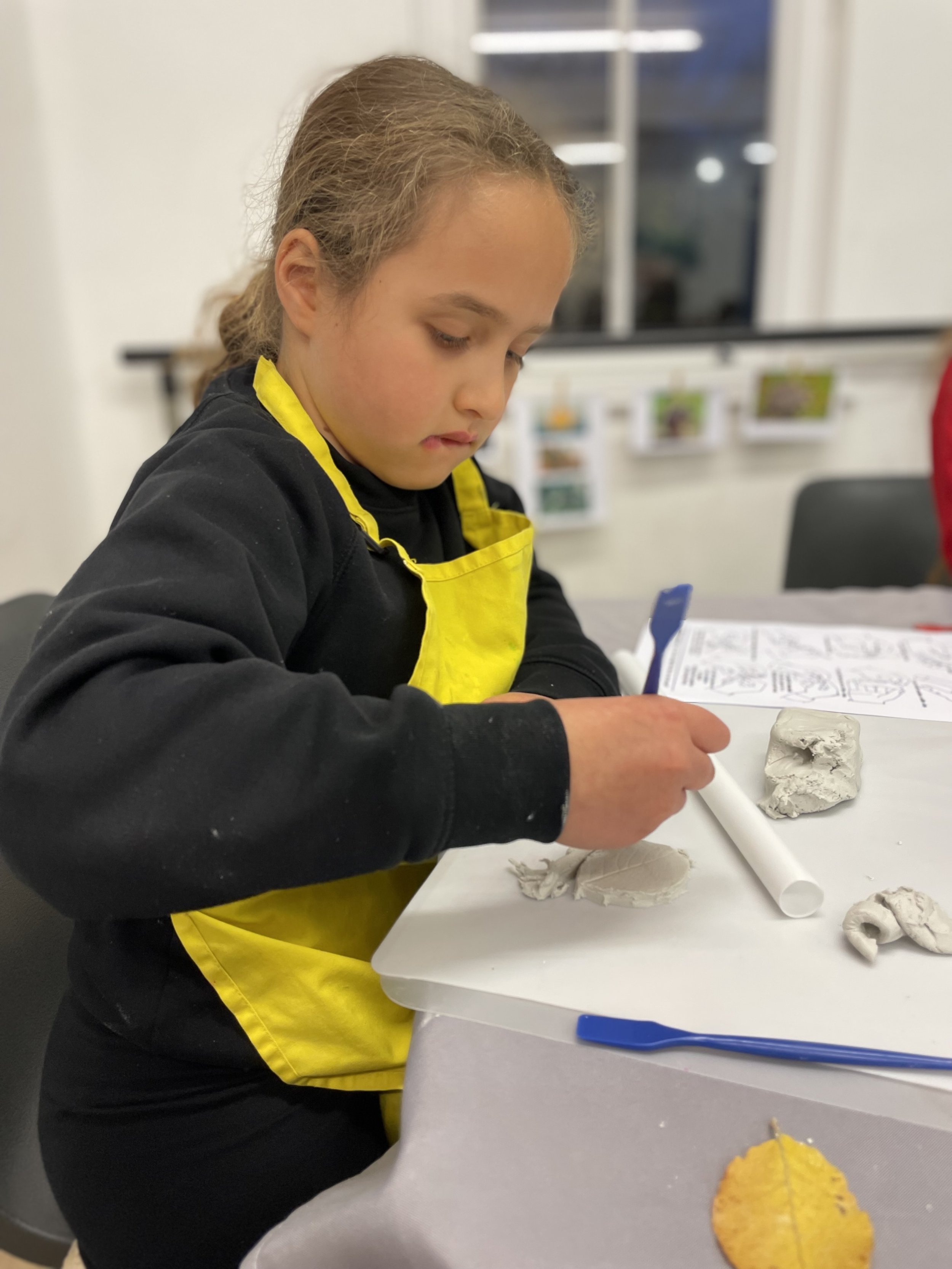
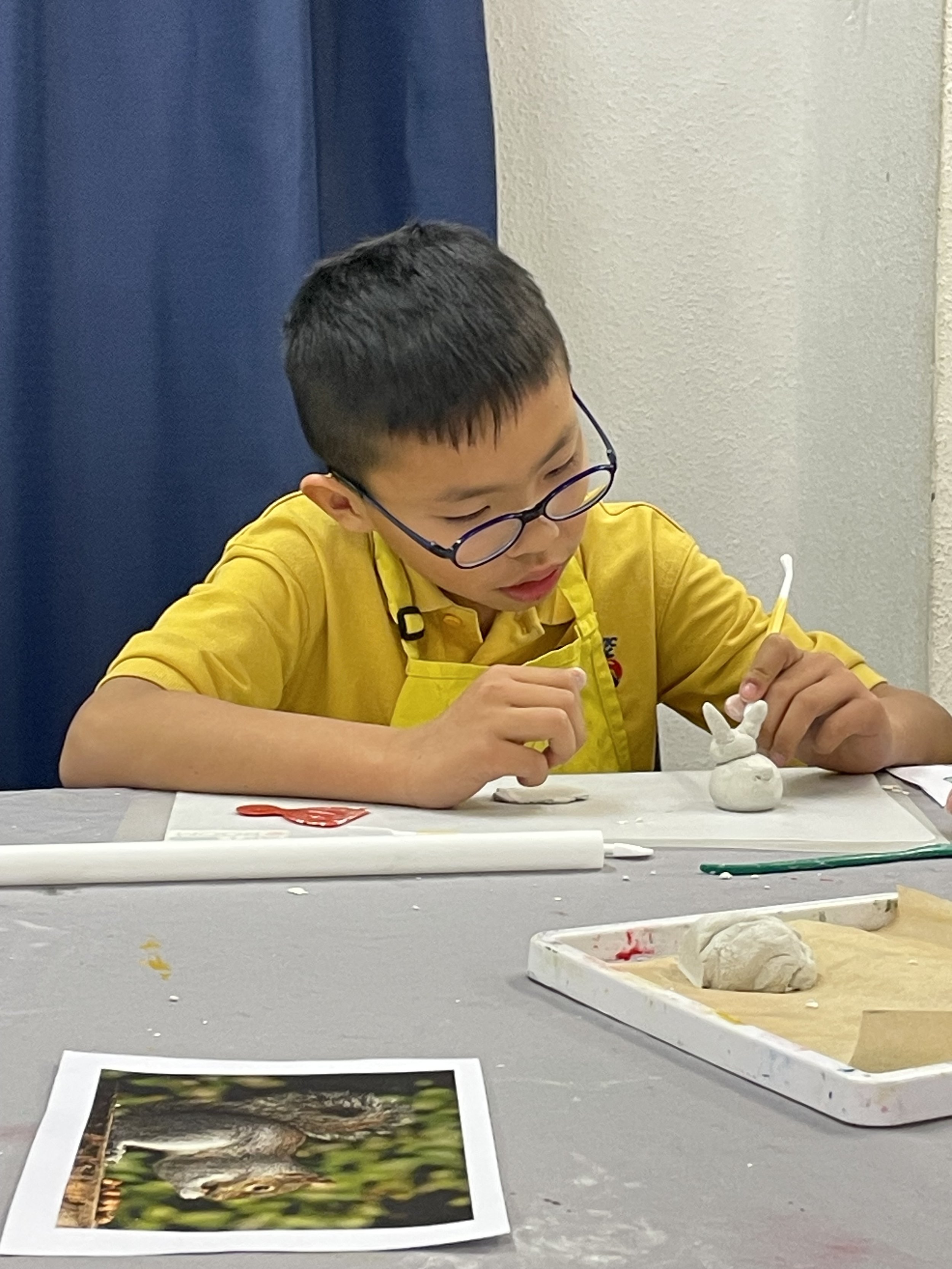
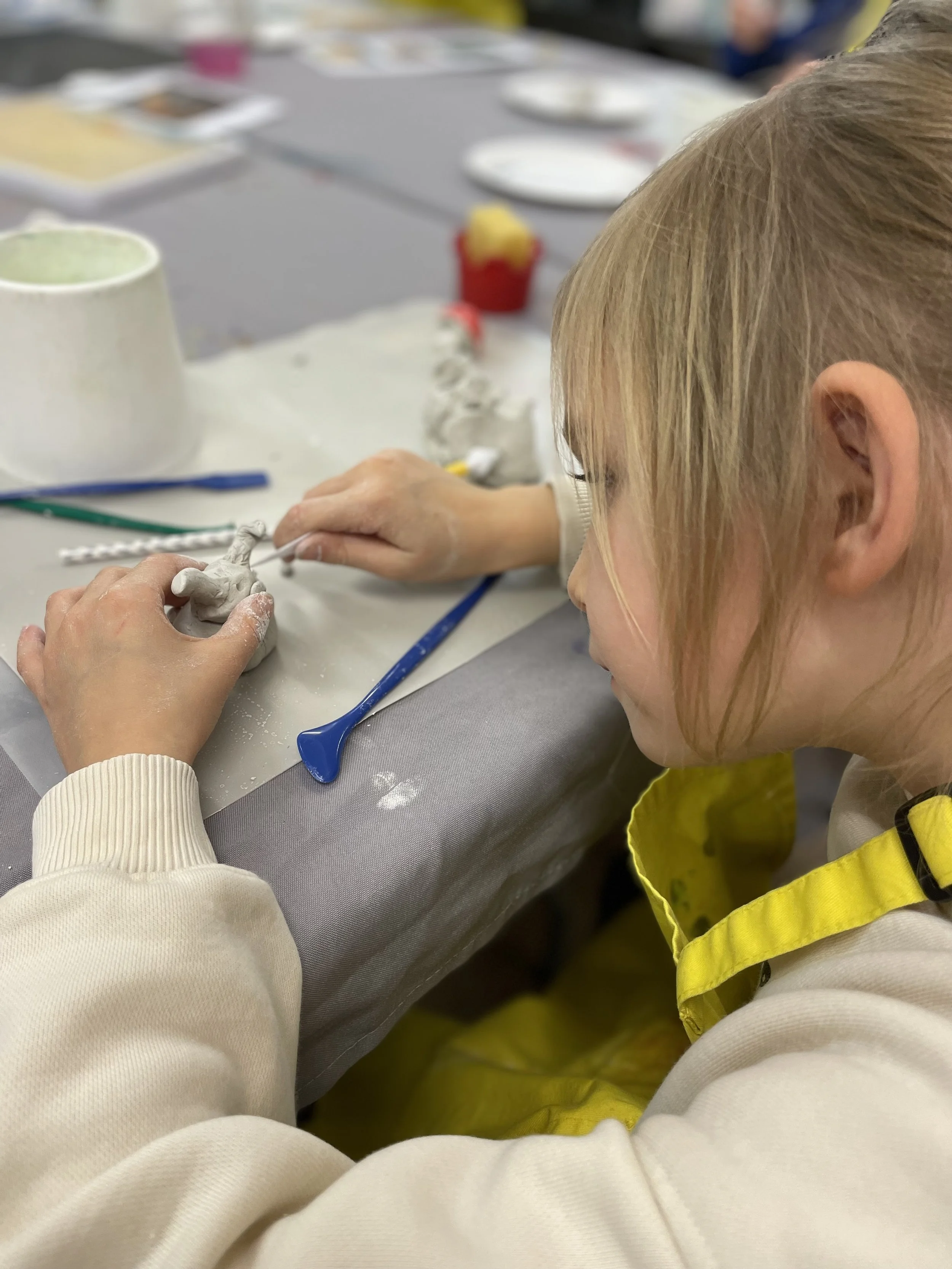
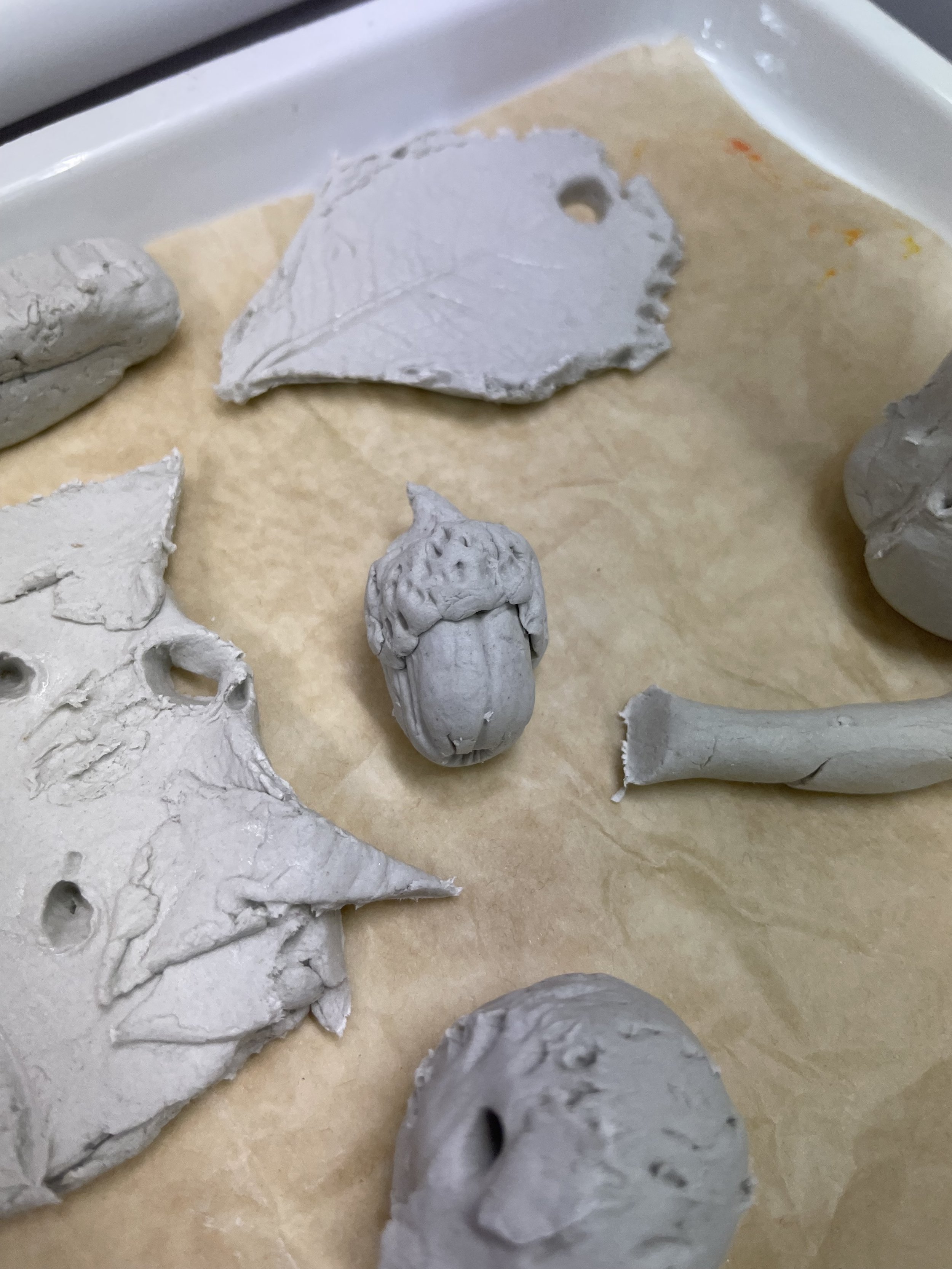
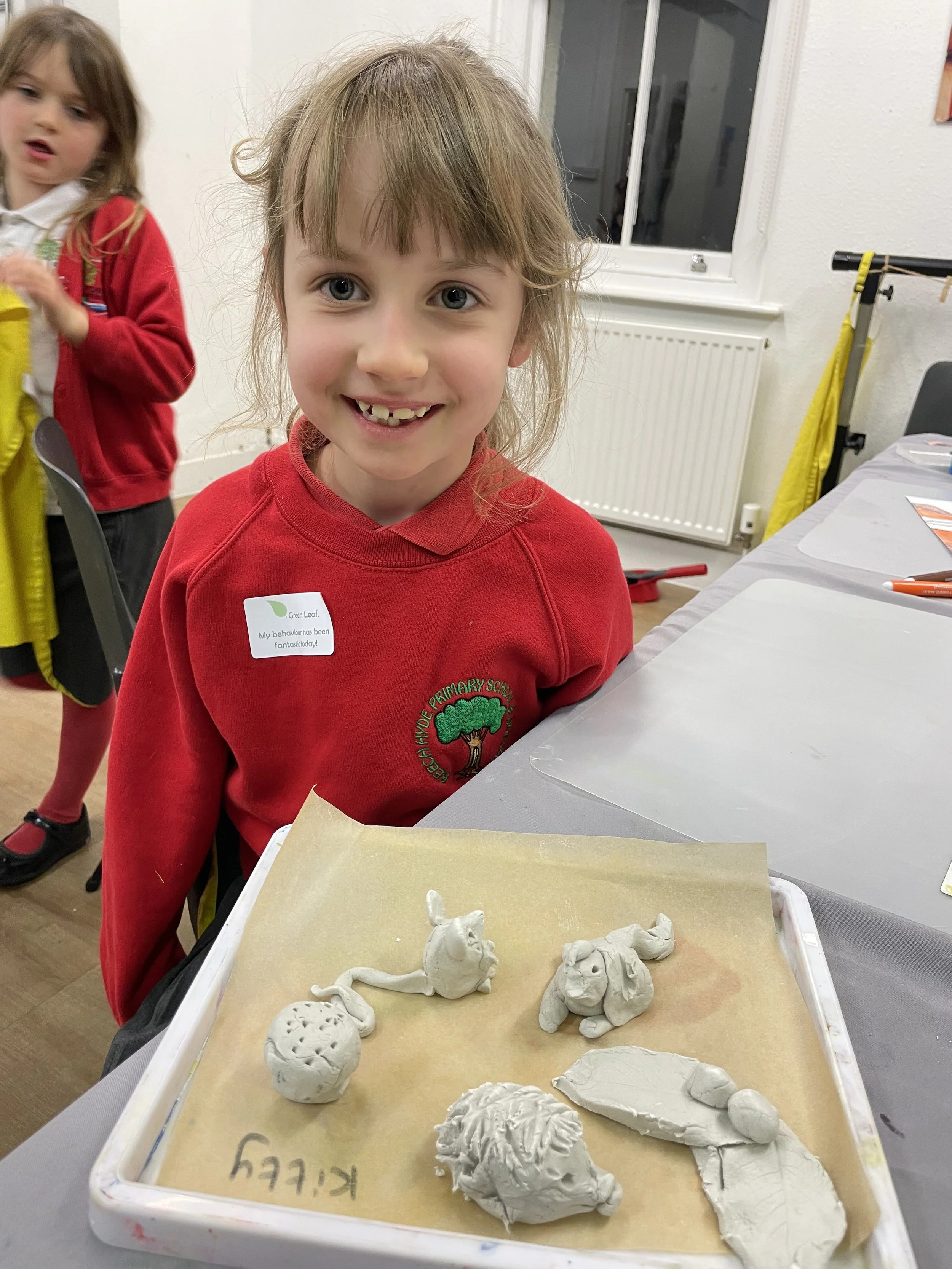
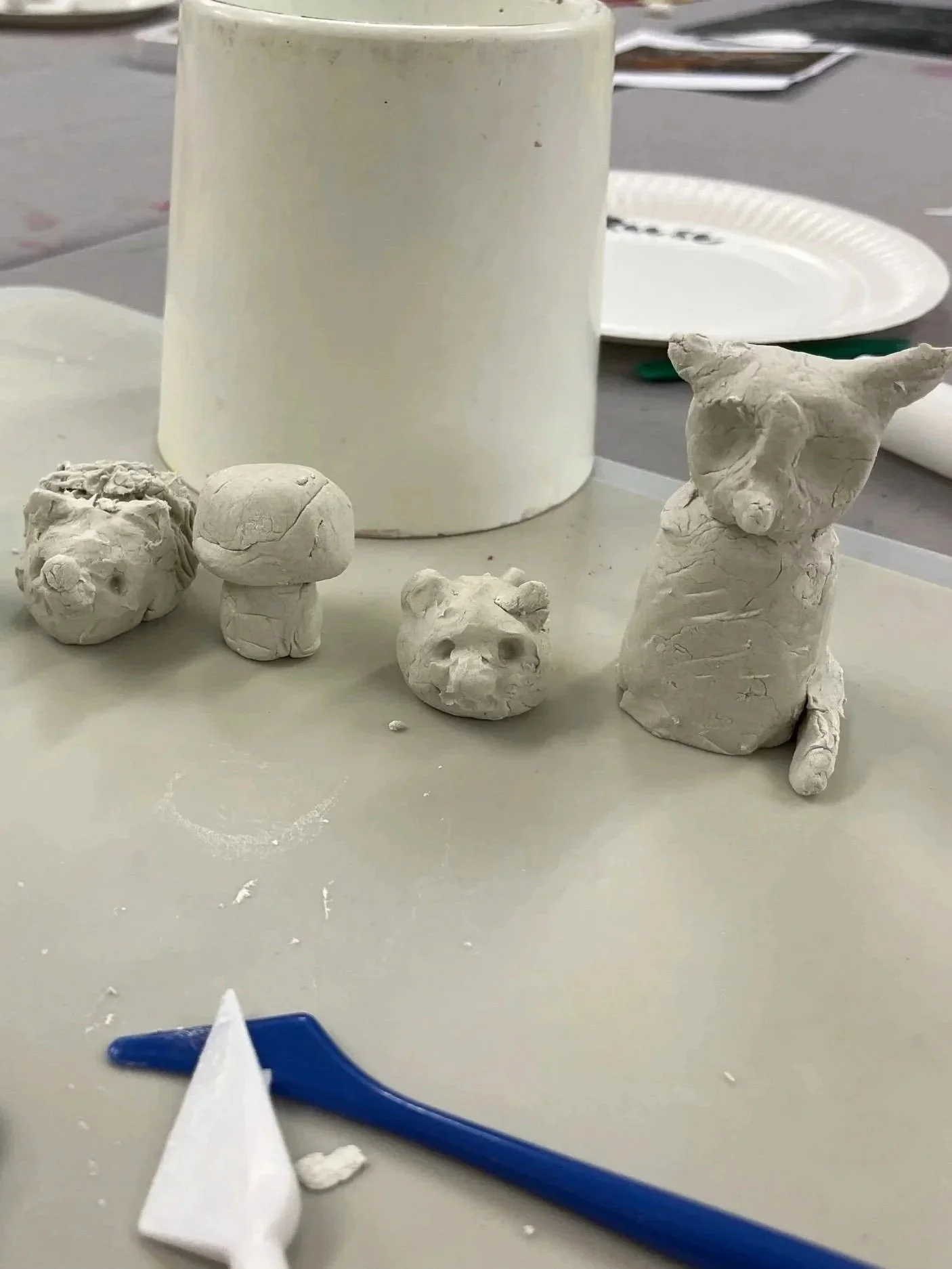
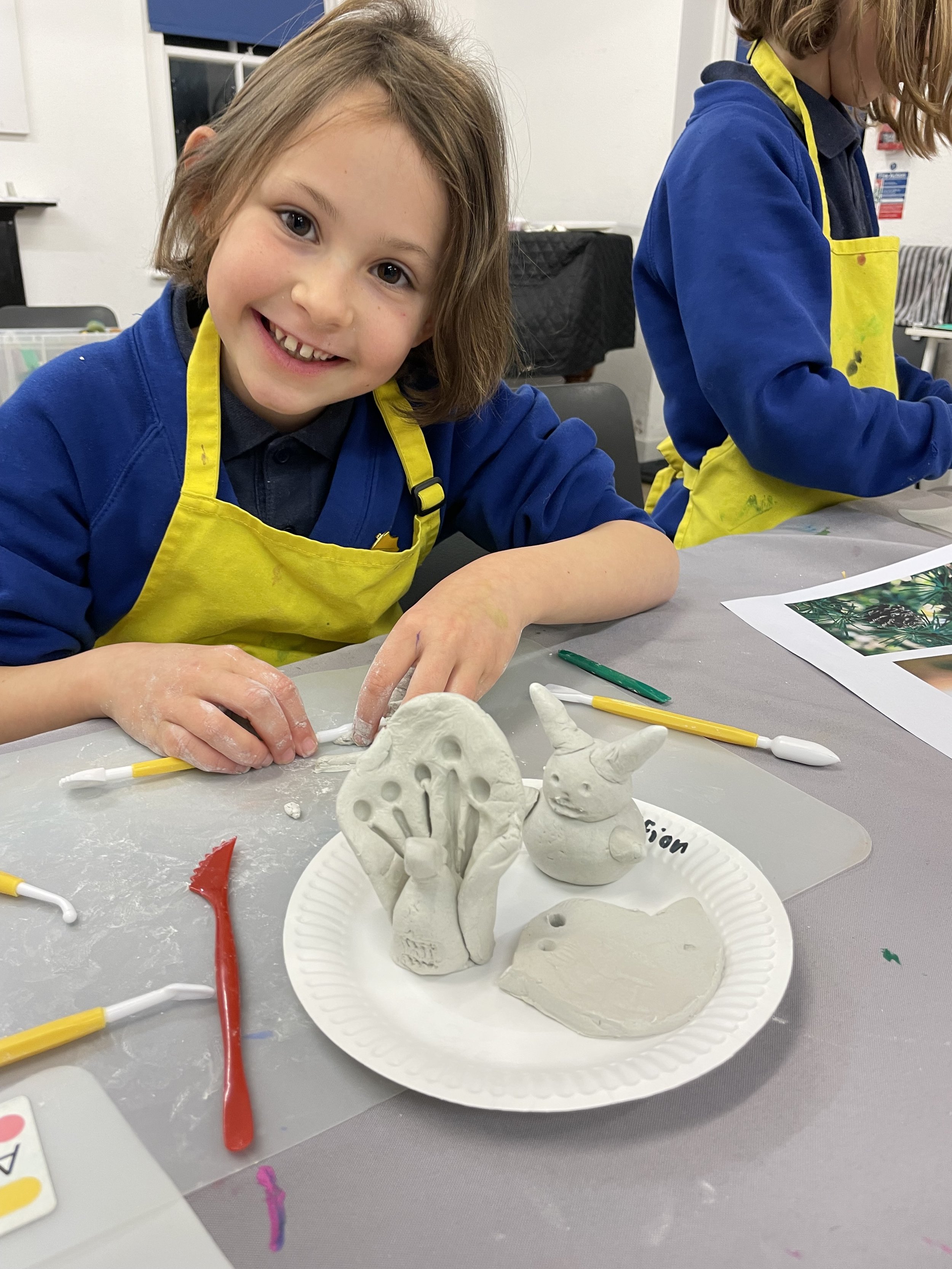
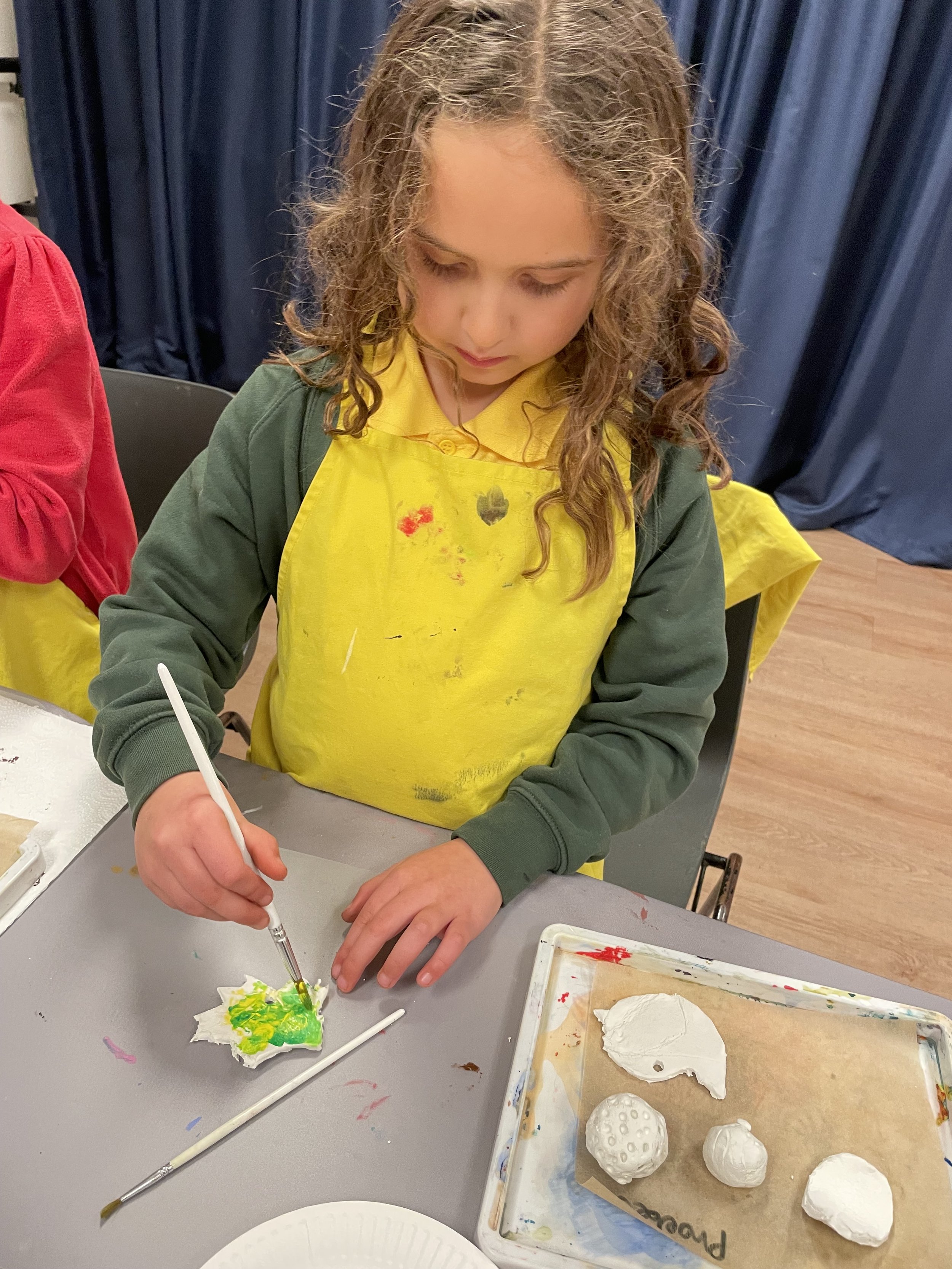
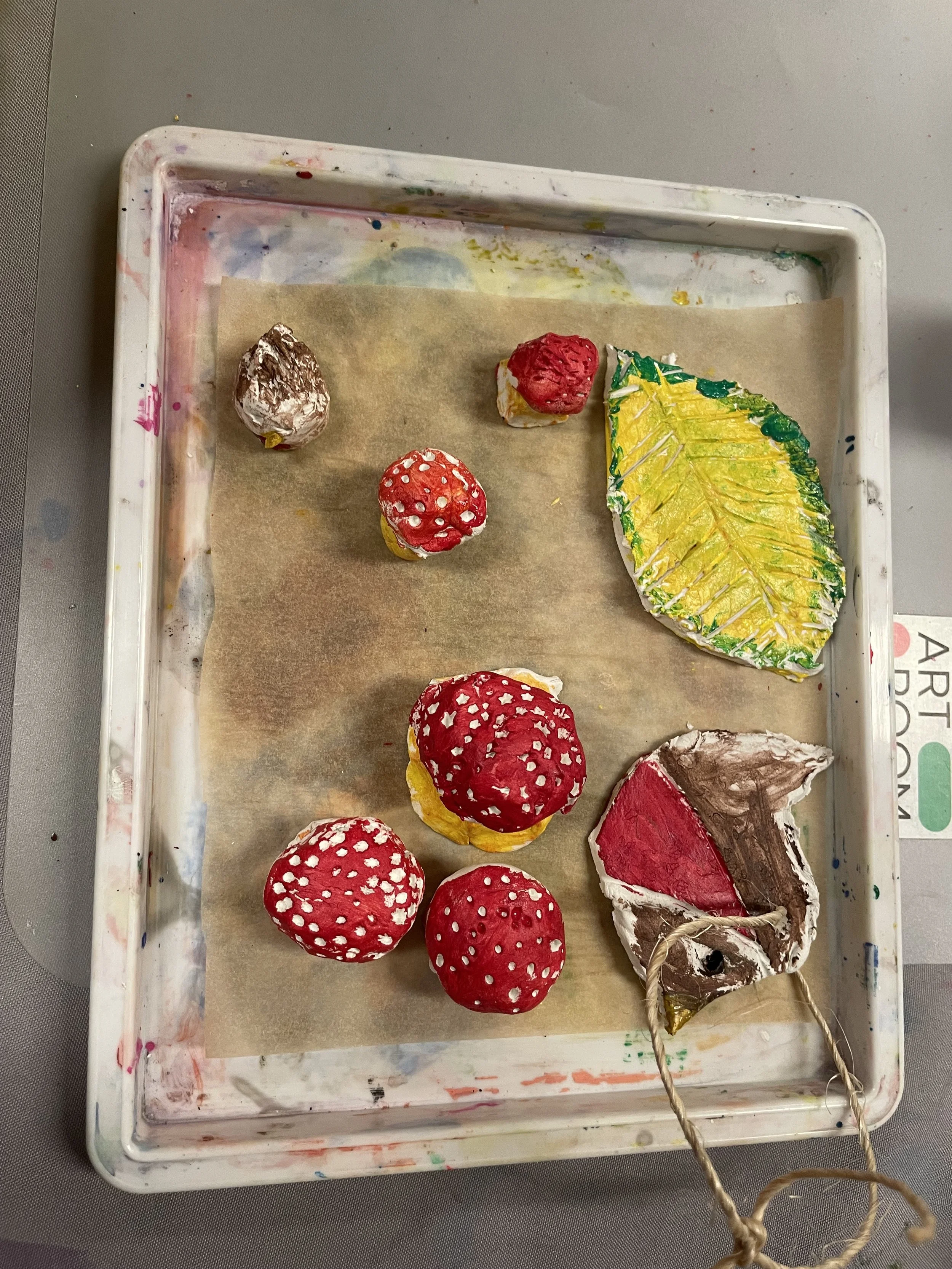
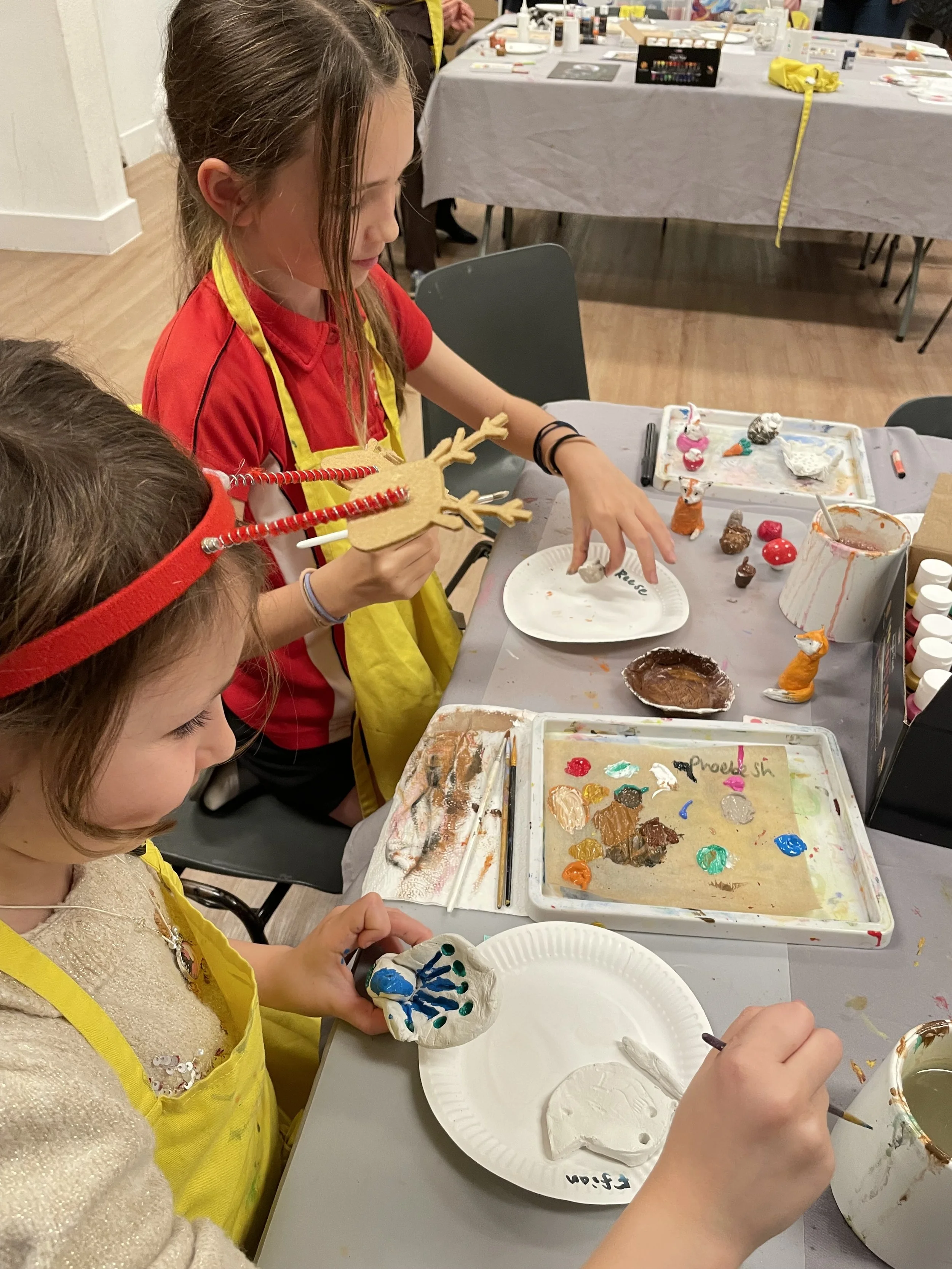
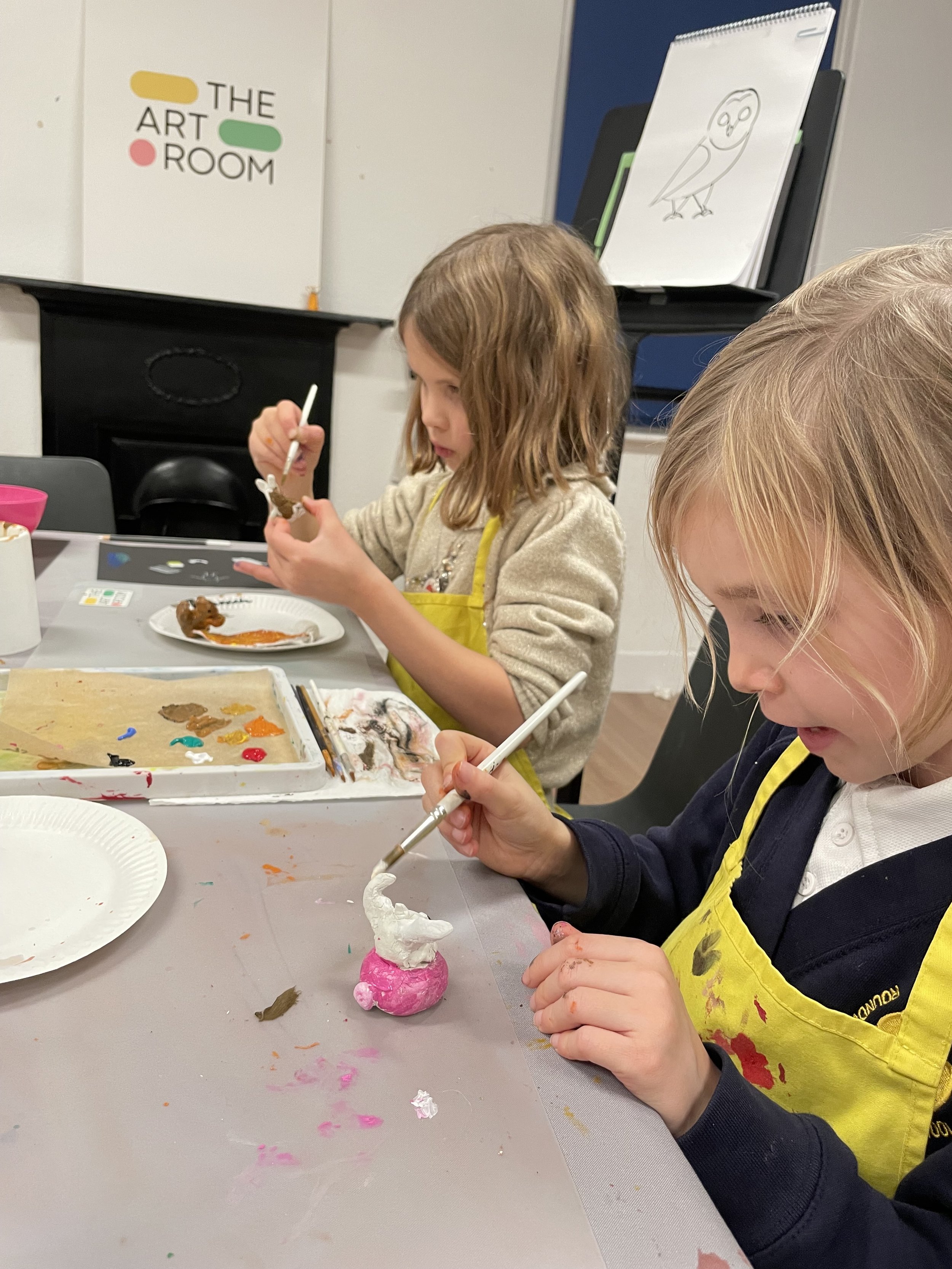
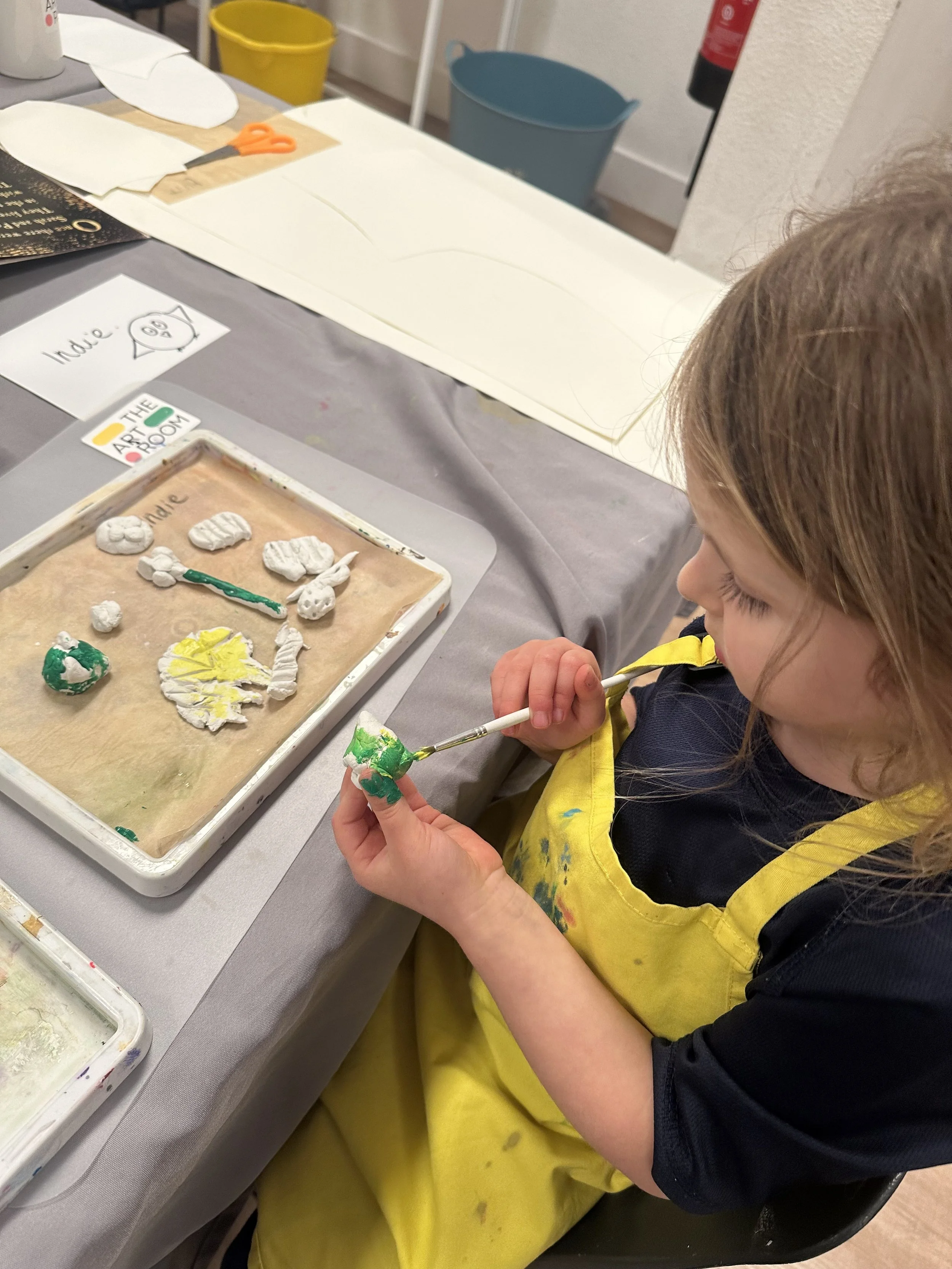
The children had great fun warming up lumps of clay in their hands, before rolling, cutting and carving out shapes to make a variety of leaves and birds. Next everyone got to grips with working on three-dimensional forms by moulding pieces of clay with their fingers; using the techniques we had shown them for joining different pieces of clay together, they shaped tiny mushrooms, berries and acorns and formed little owls, foxes, squirrels and mice. With reference pictures to guide them, the children worked with special modelling tools to scratch and print markings into the surface of the clay to build up lots of tiny details and give distinctive characteristics to their chosen natural forms. The final stage, after the clay had dried out and hardened between sessions, was to bring the sculptures to life with a colourful lick of paint.
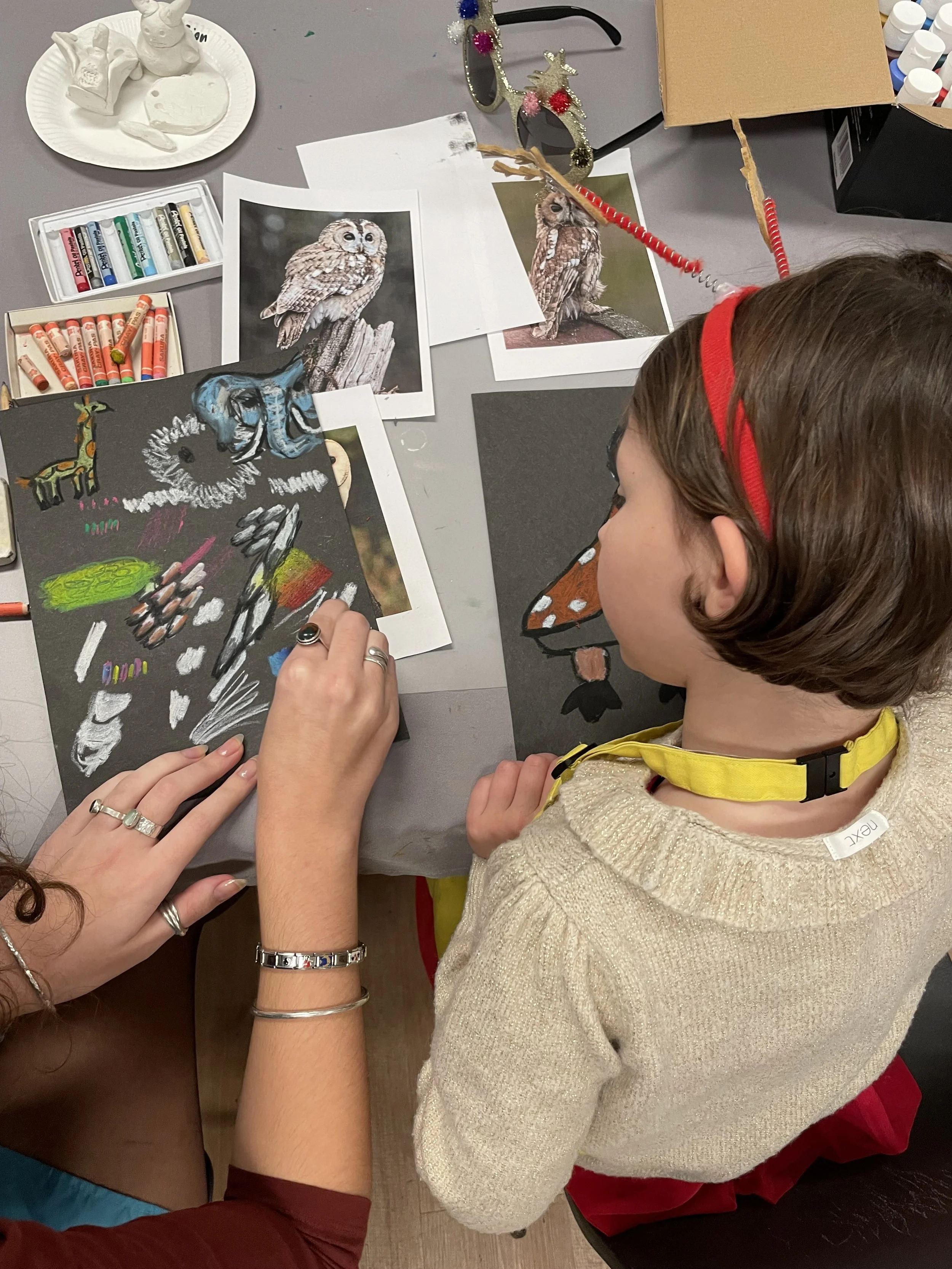
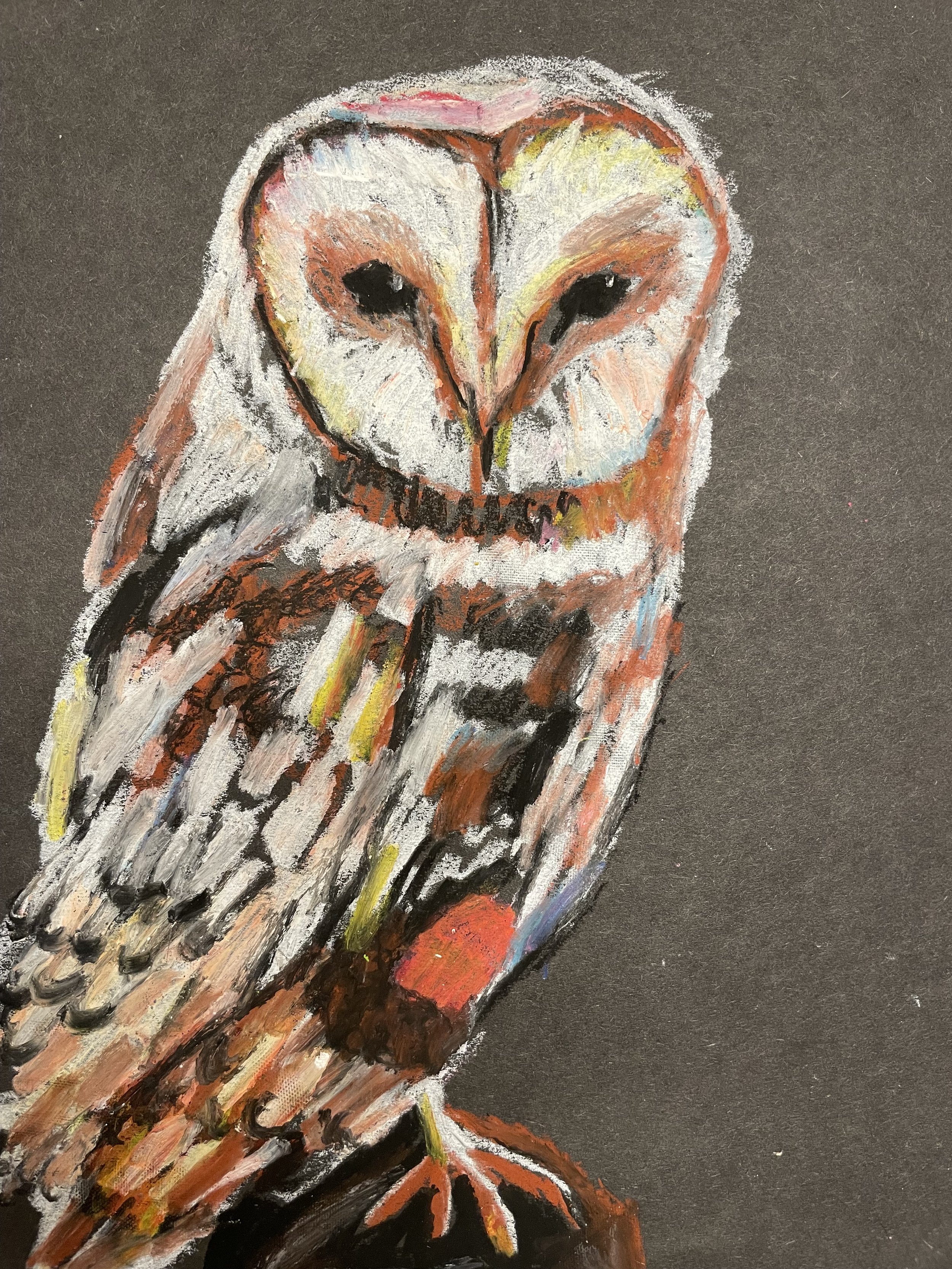
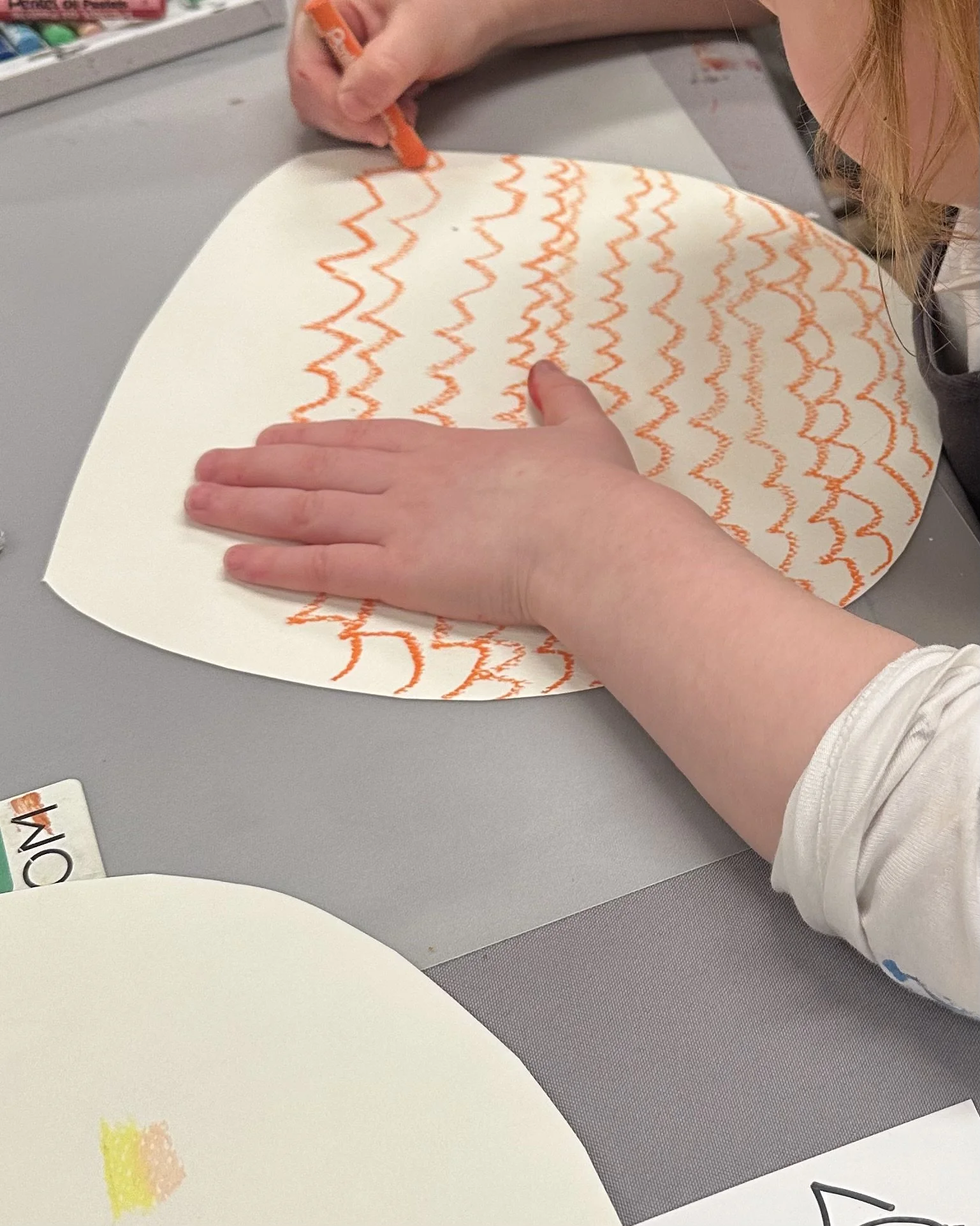
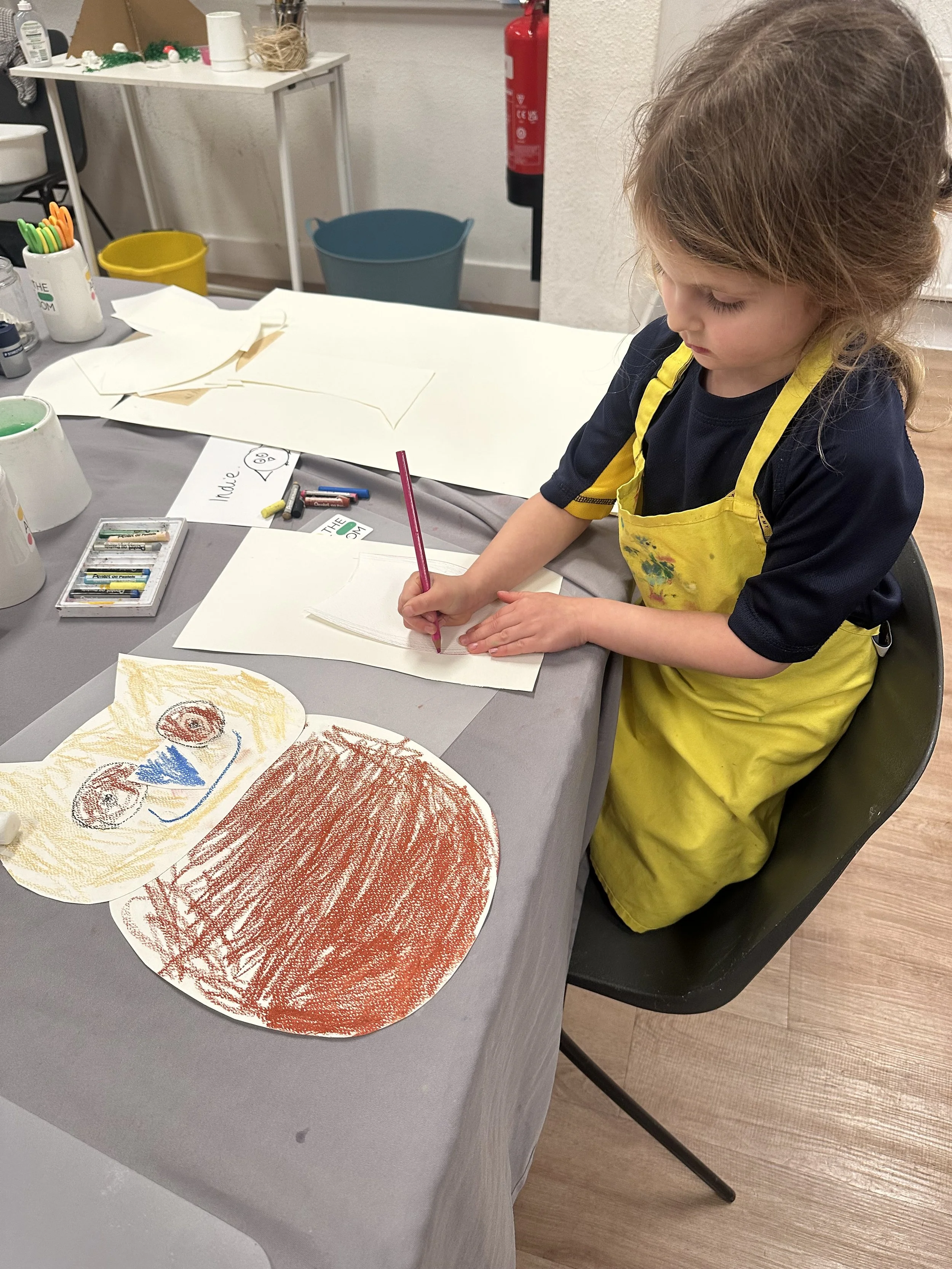
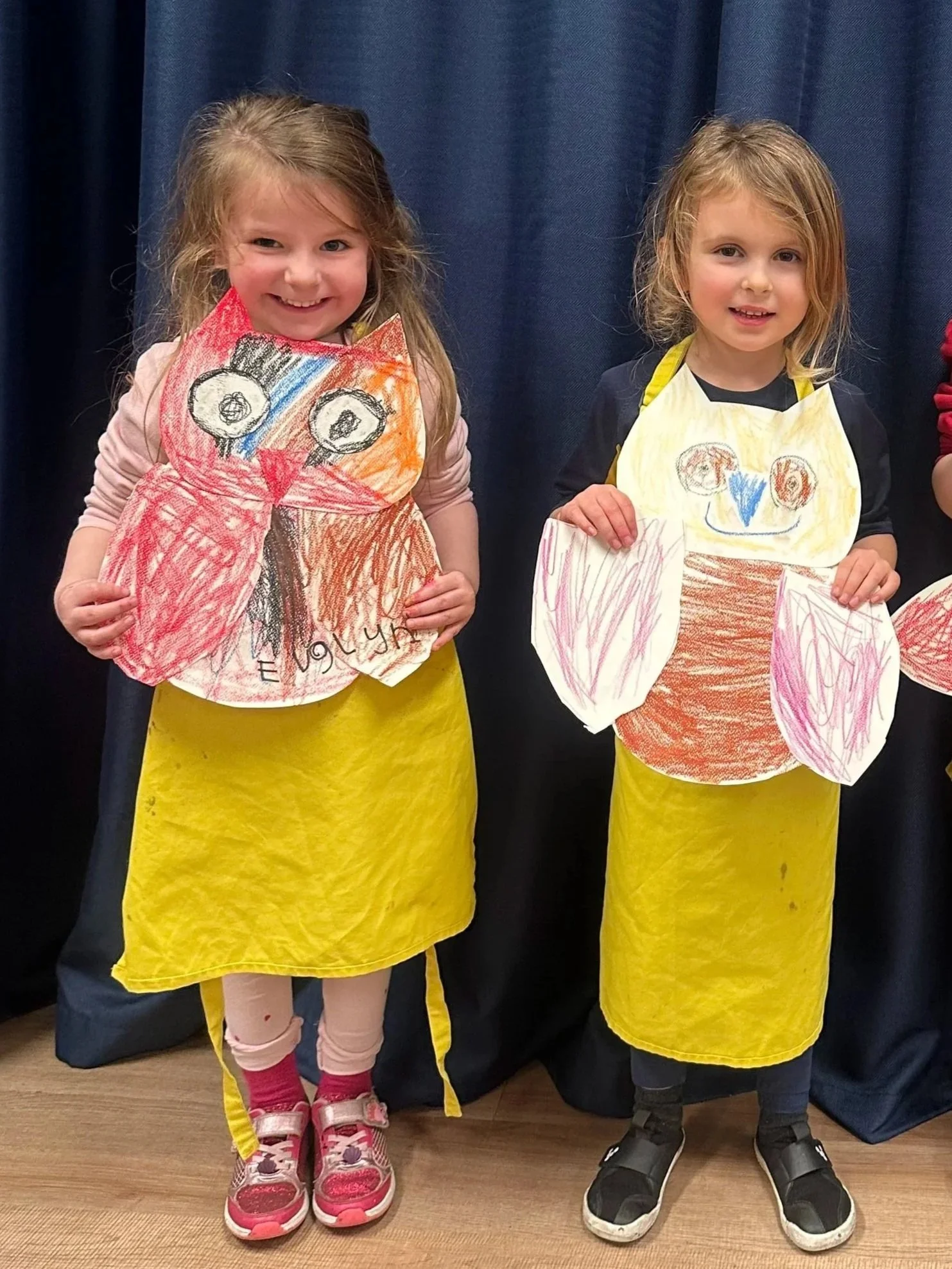
The remainder of our second woodland session was dedicated to the owl and capturing the distinctive features of this nocturnal bird on paper. Our younger artists used pre-cut paper shapes to assemble their own 2d owl art piece and worked with oil pastels to add texture and decorate the wings with bold, feathery markings.
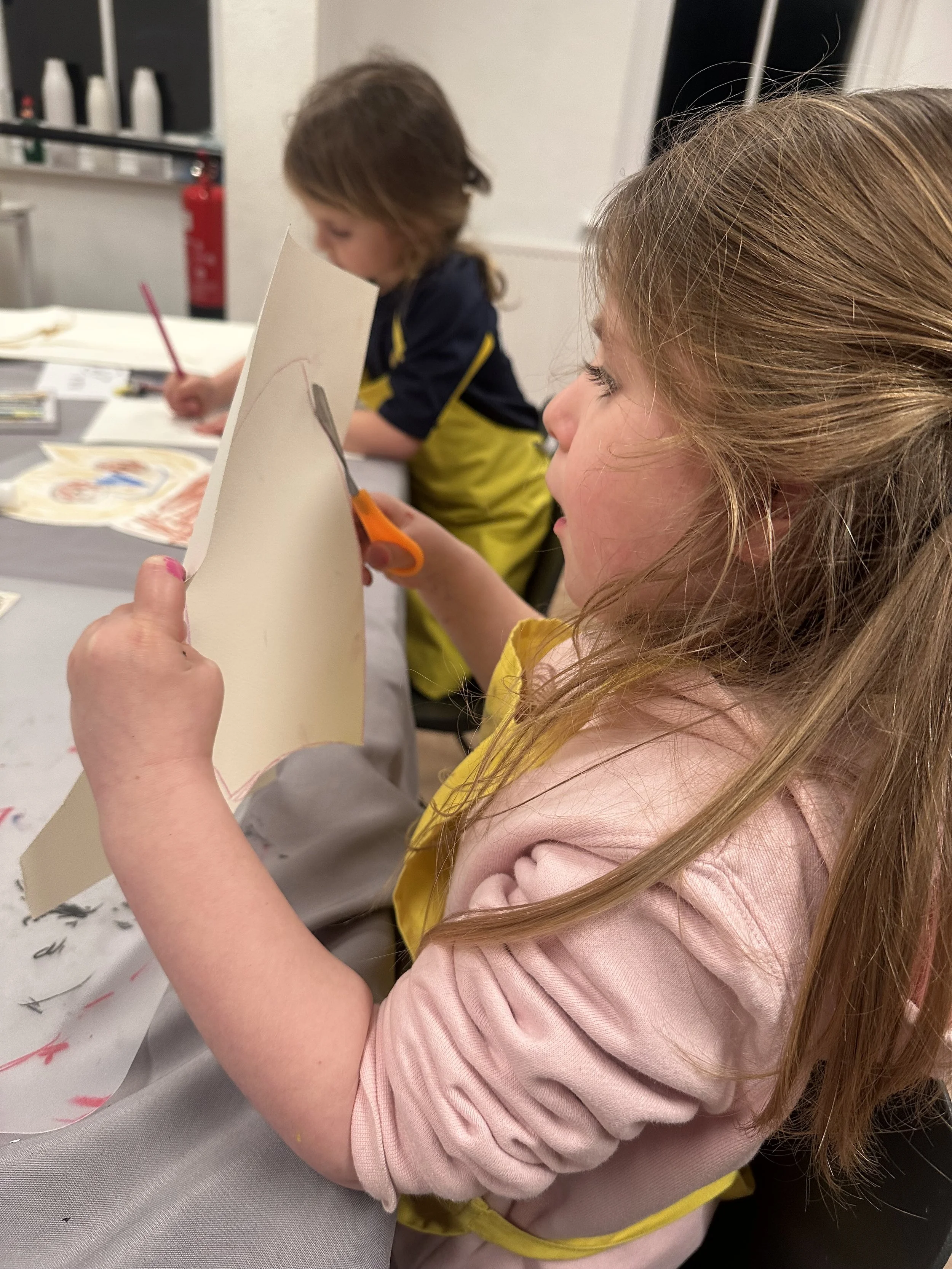
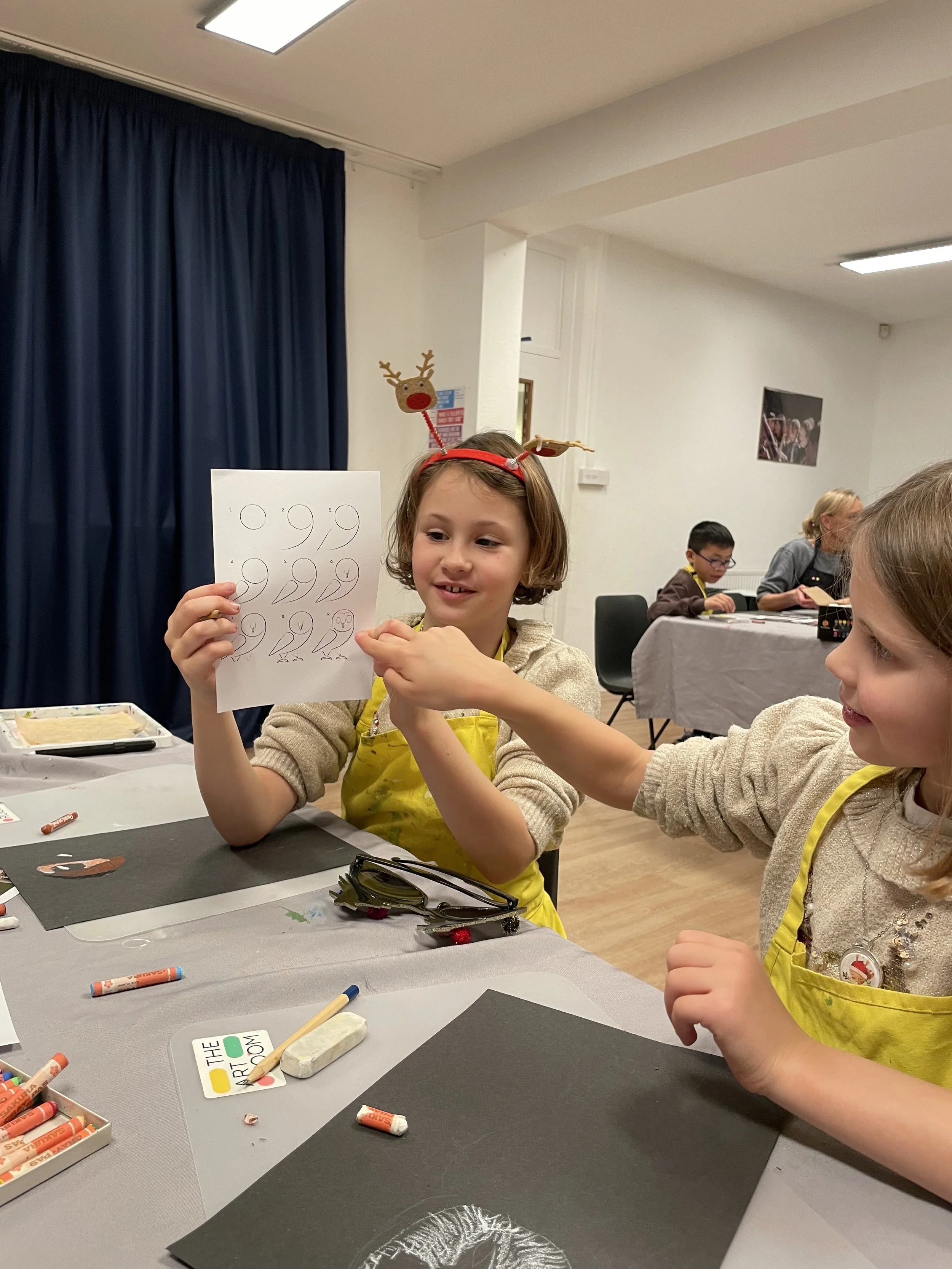
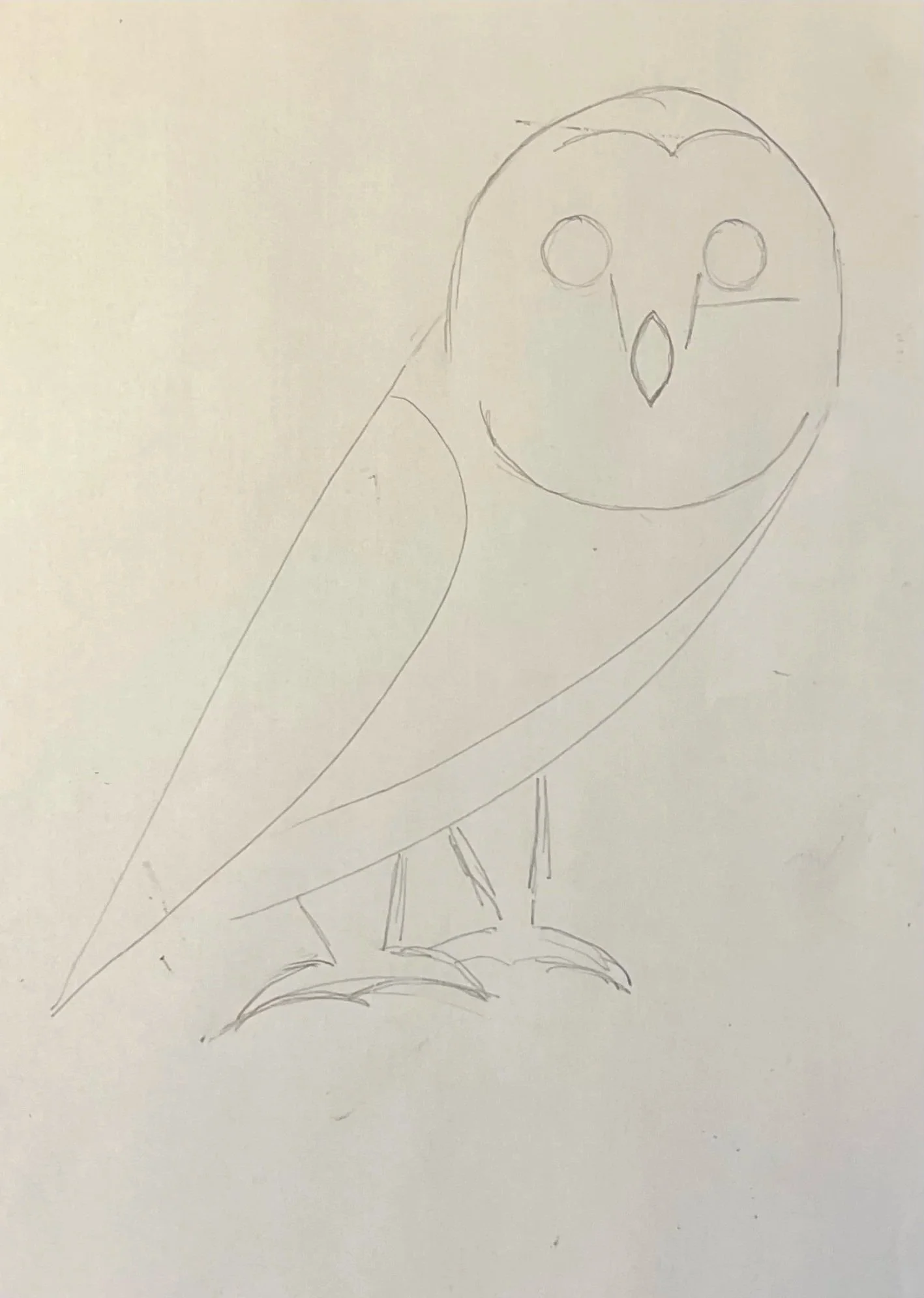
Our older artists learnt how to draw the outline of an owl by sketching out simple shapes and, step-by-step, built up the different parts of its body. We were so impressed with how carefully everyone used their observation skills to study the reference images of Tawny and Barn owls throughout the activity and capture the intricate patterns on their plumage with confident pastel marks and blended layers of colour.
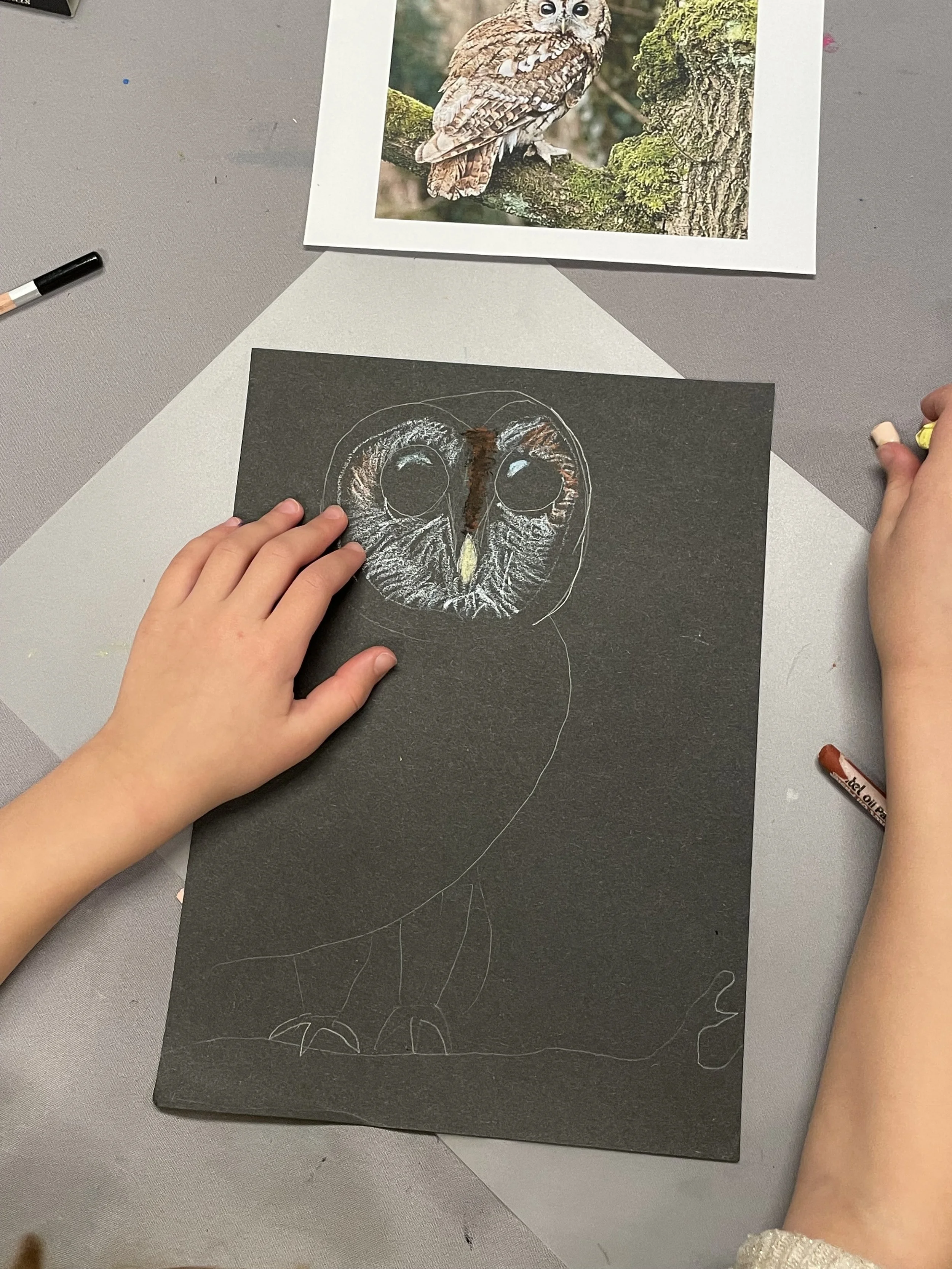
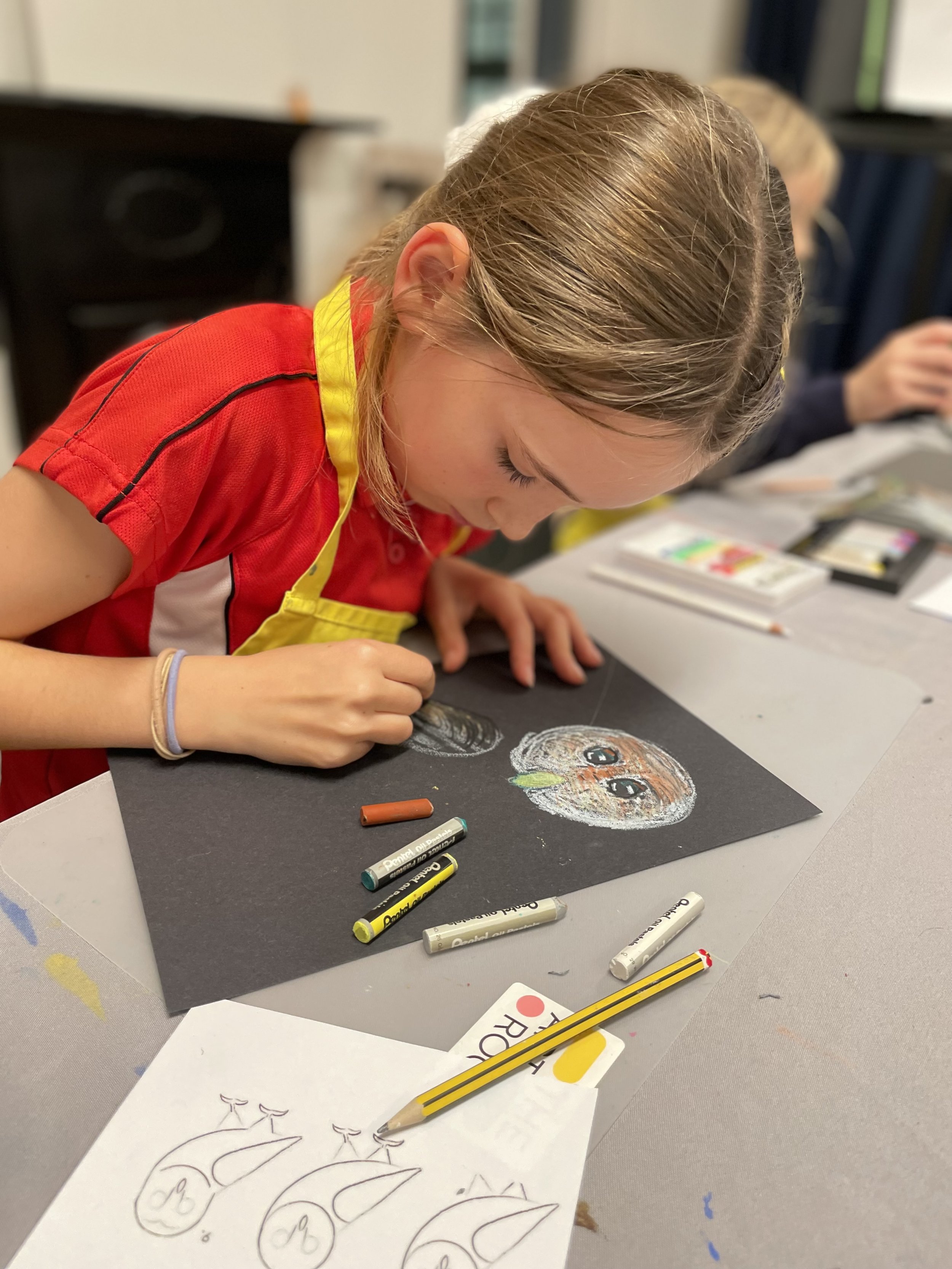
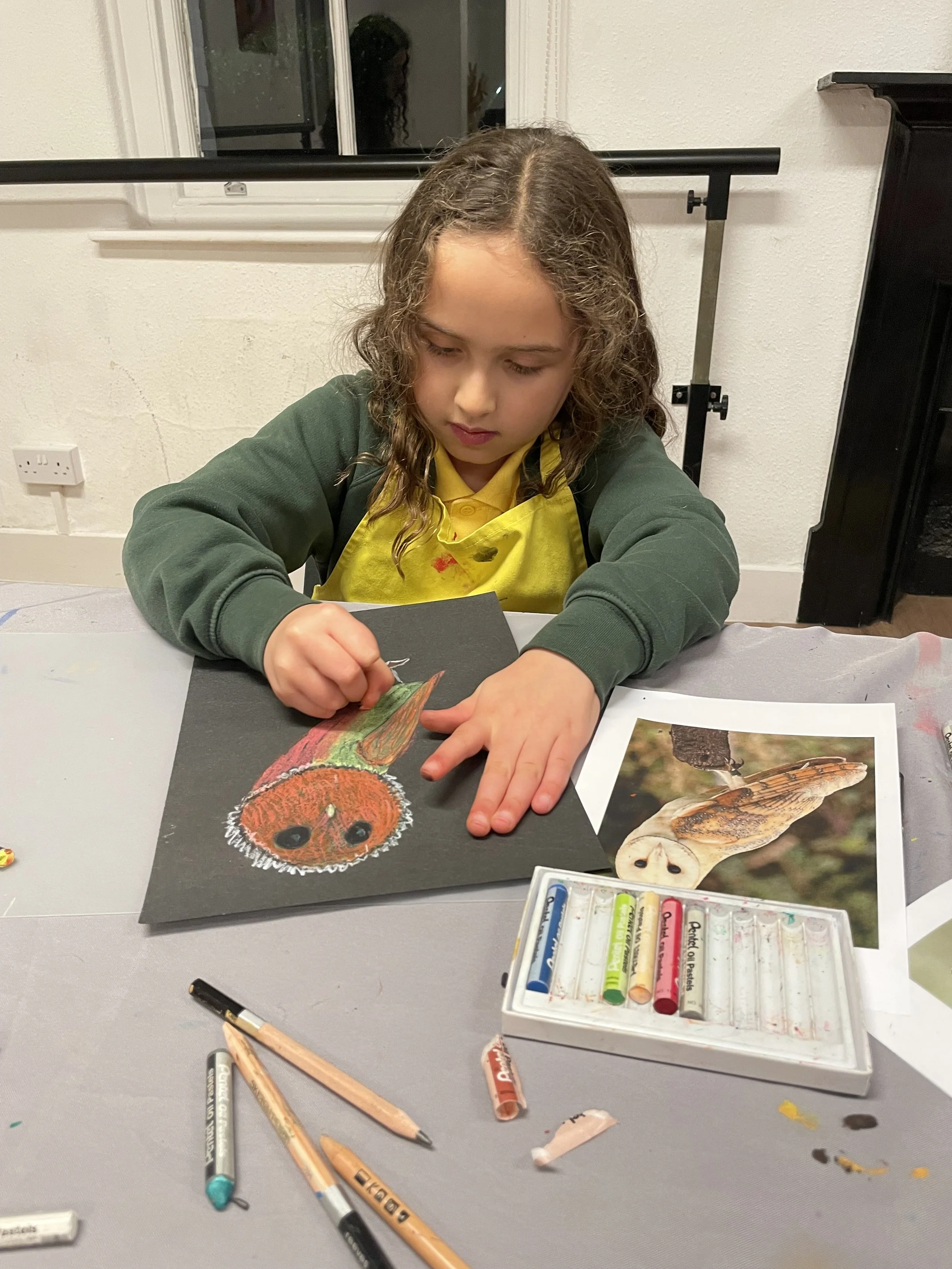
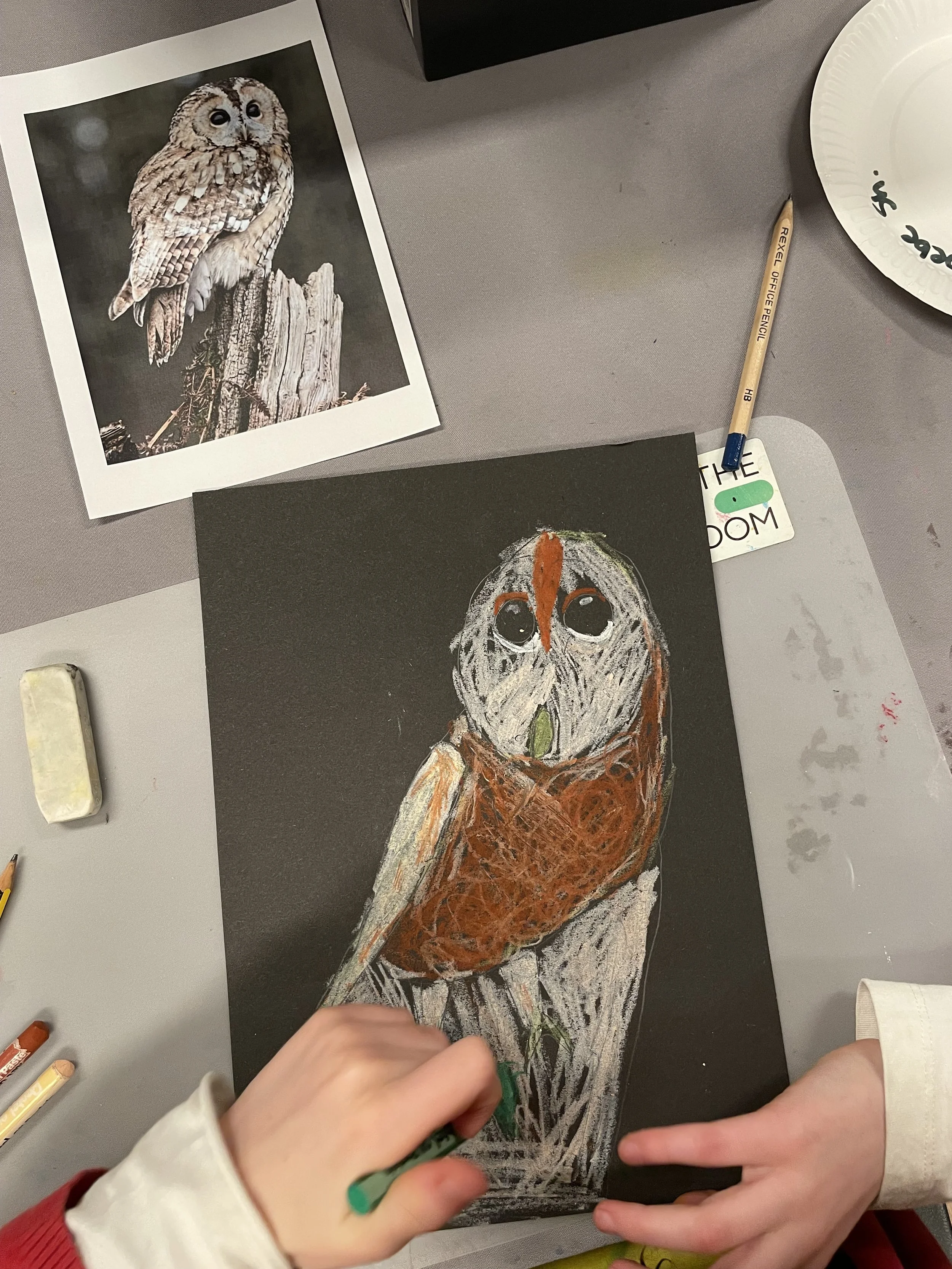
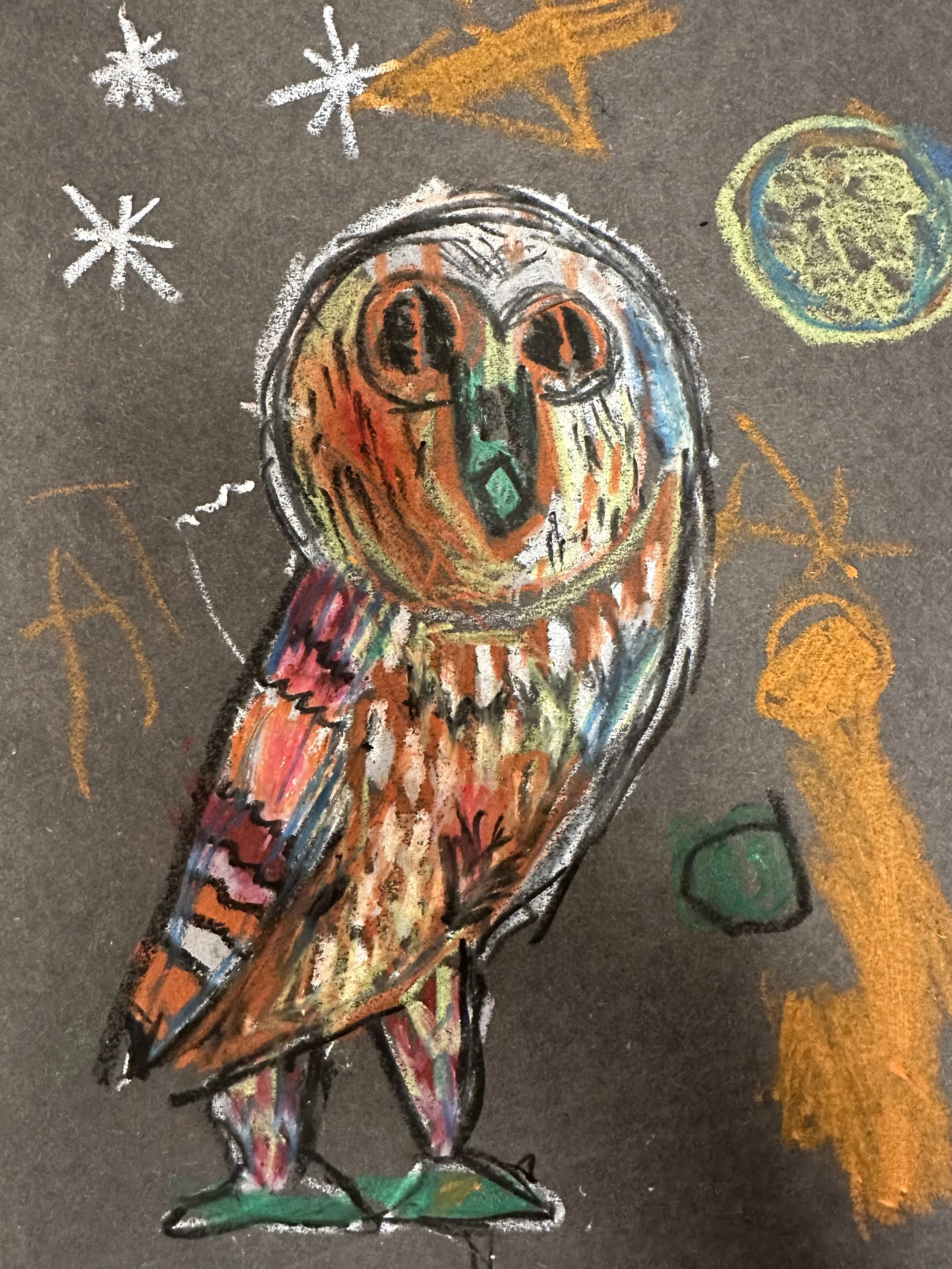
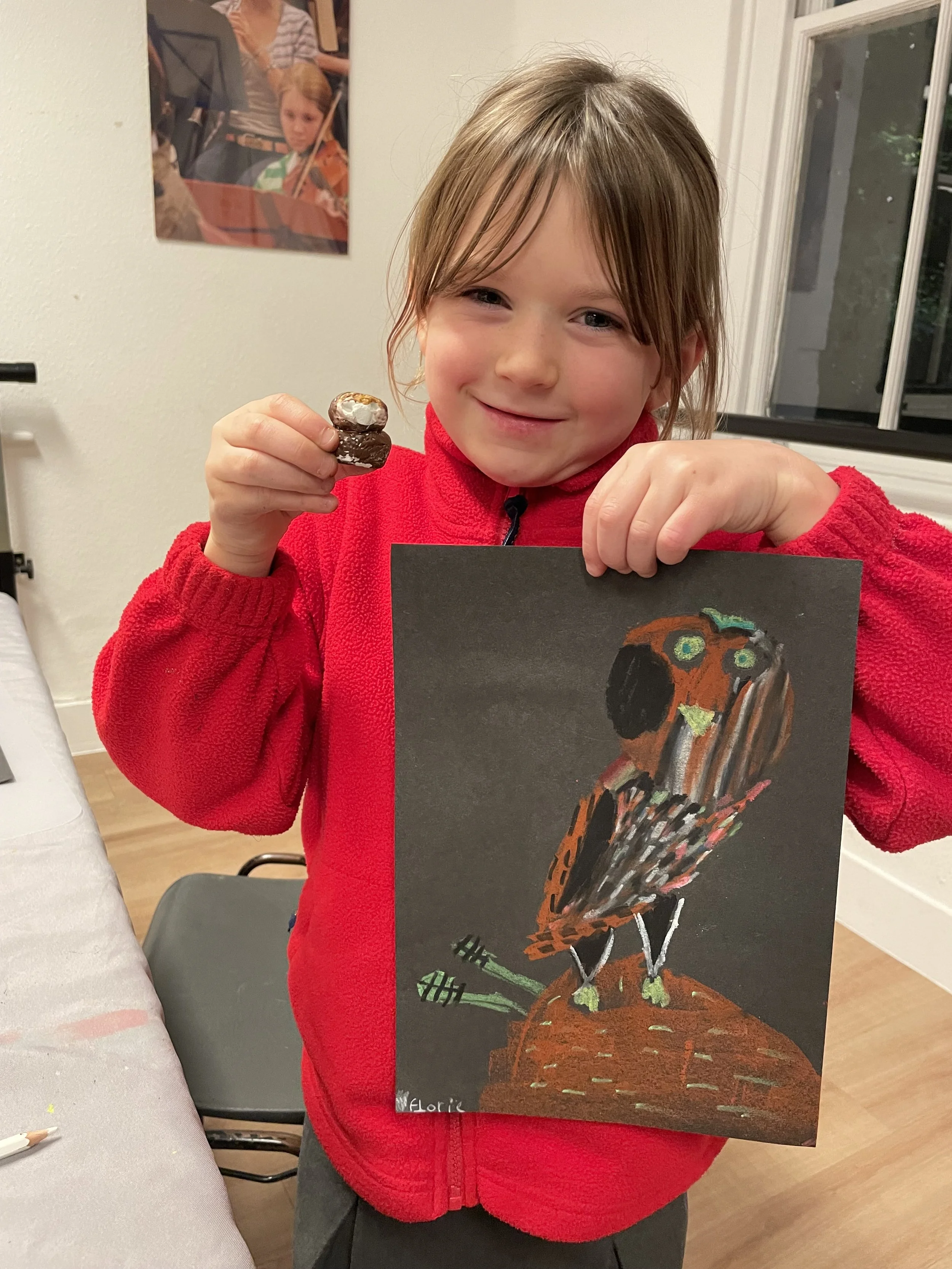
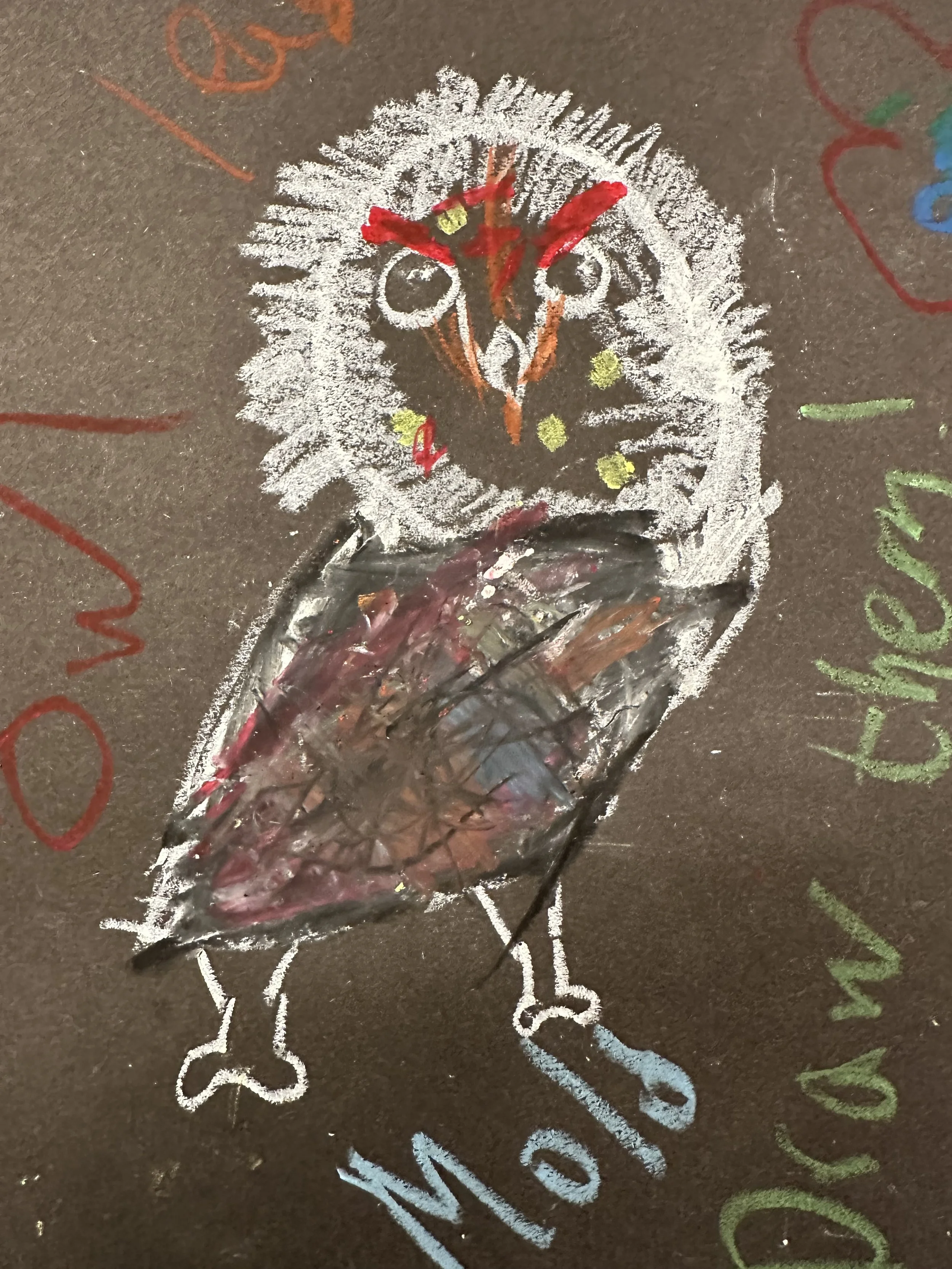
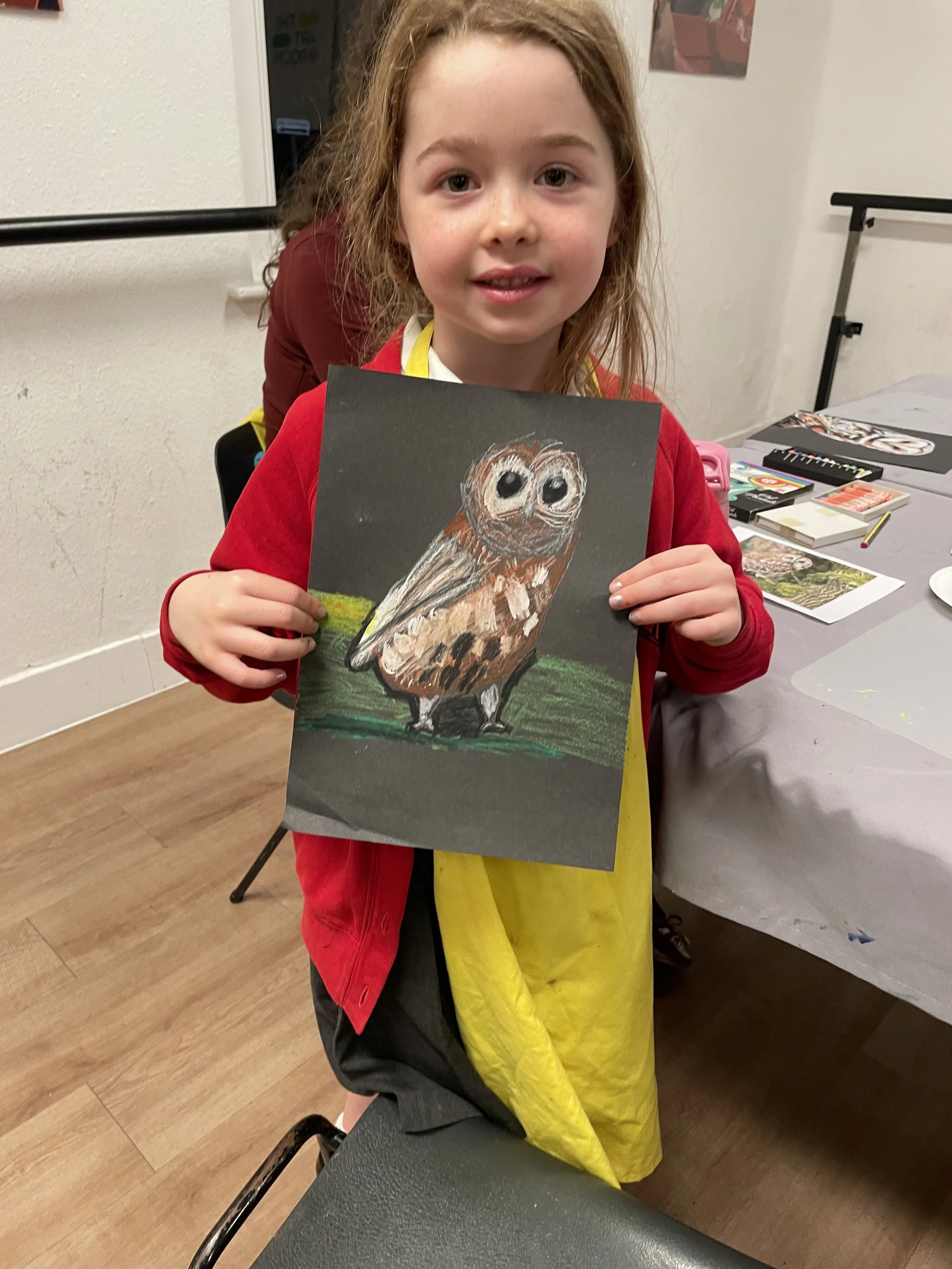
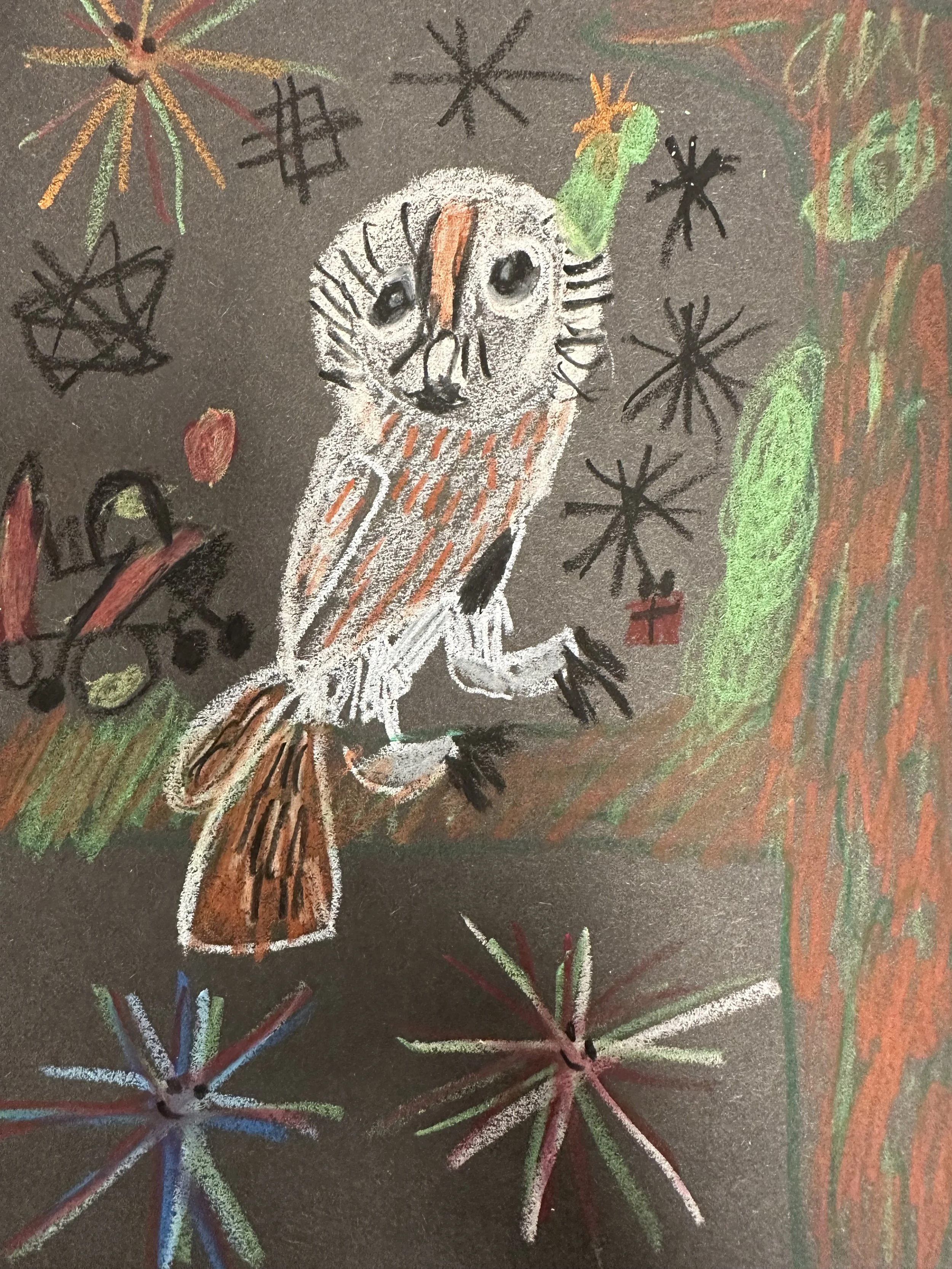
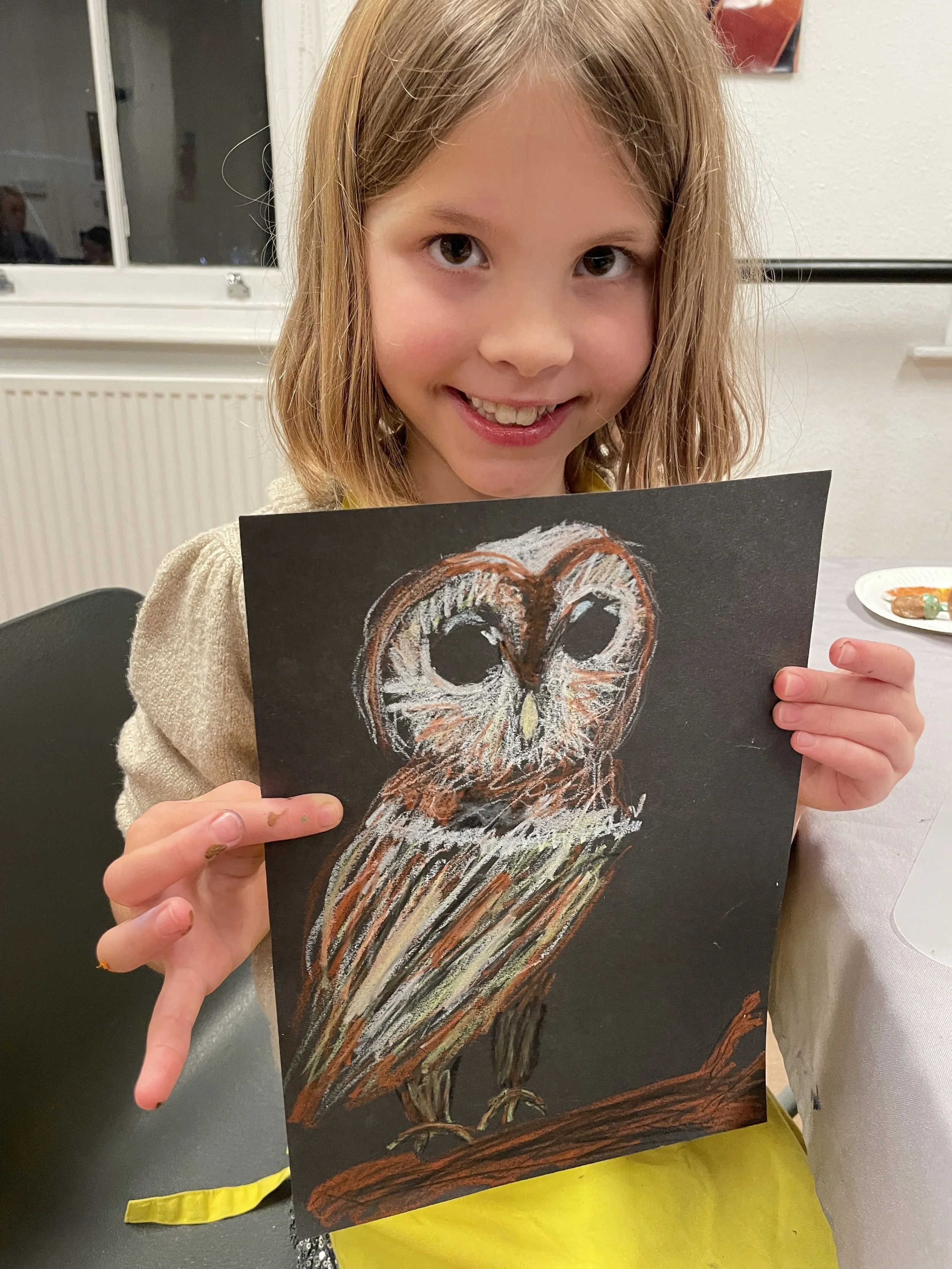
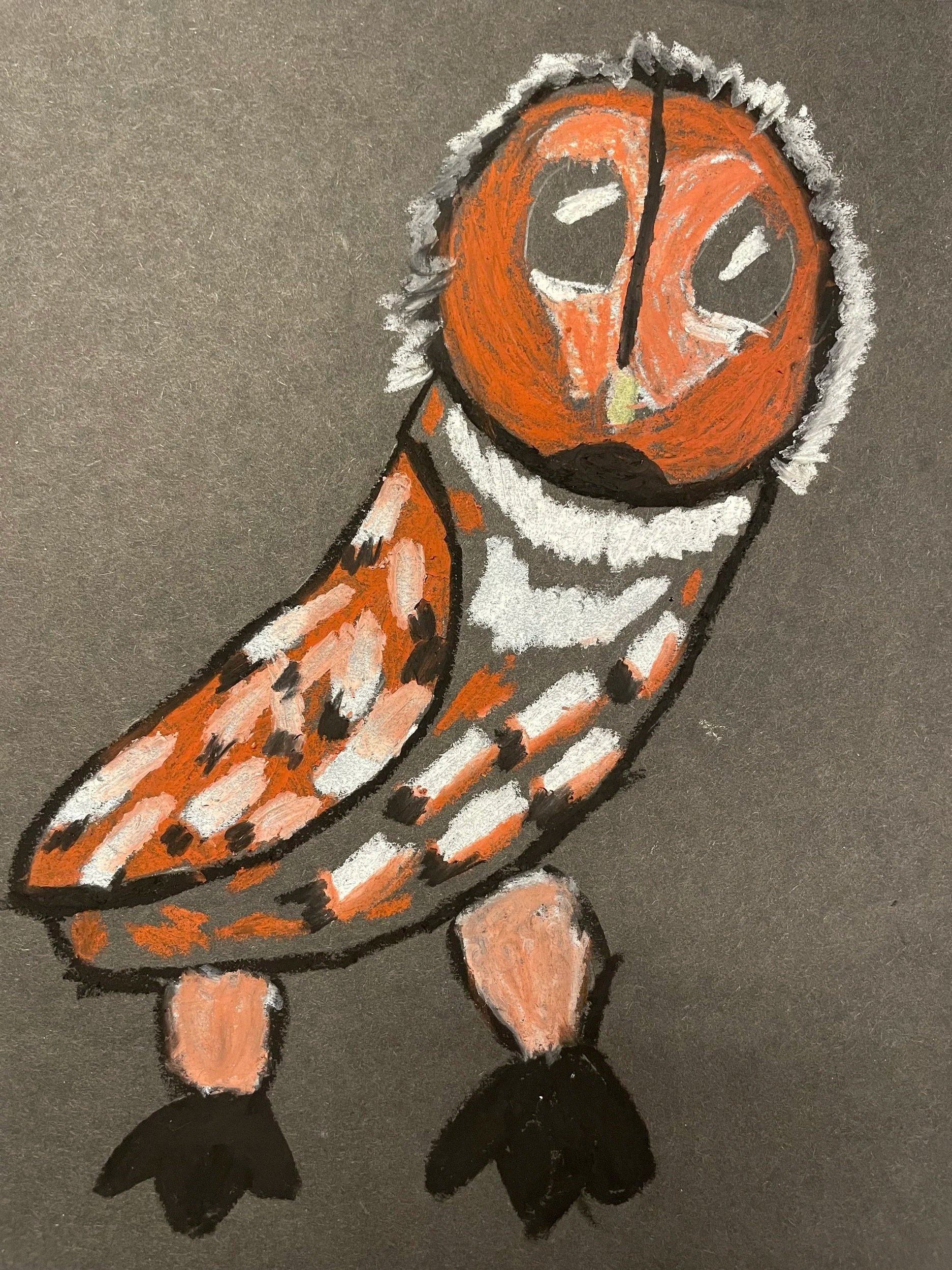
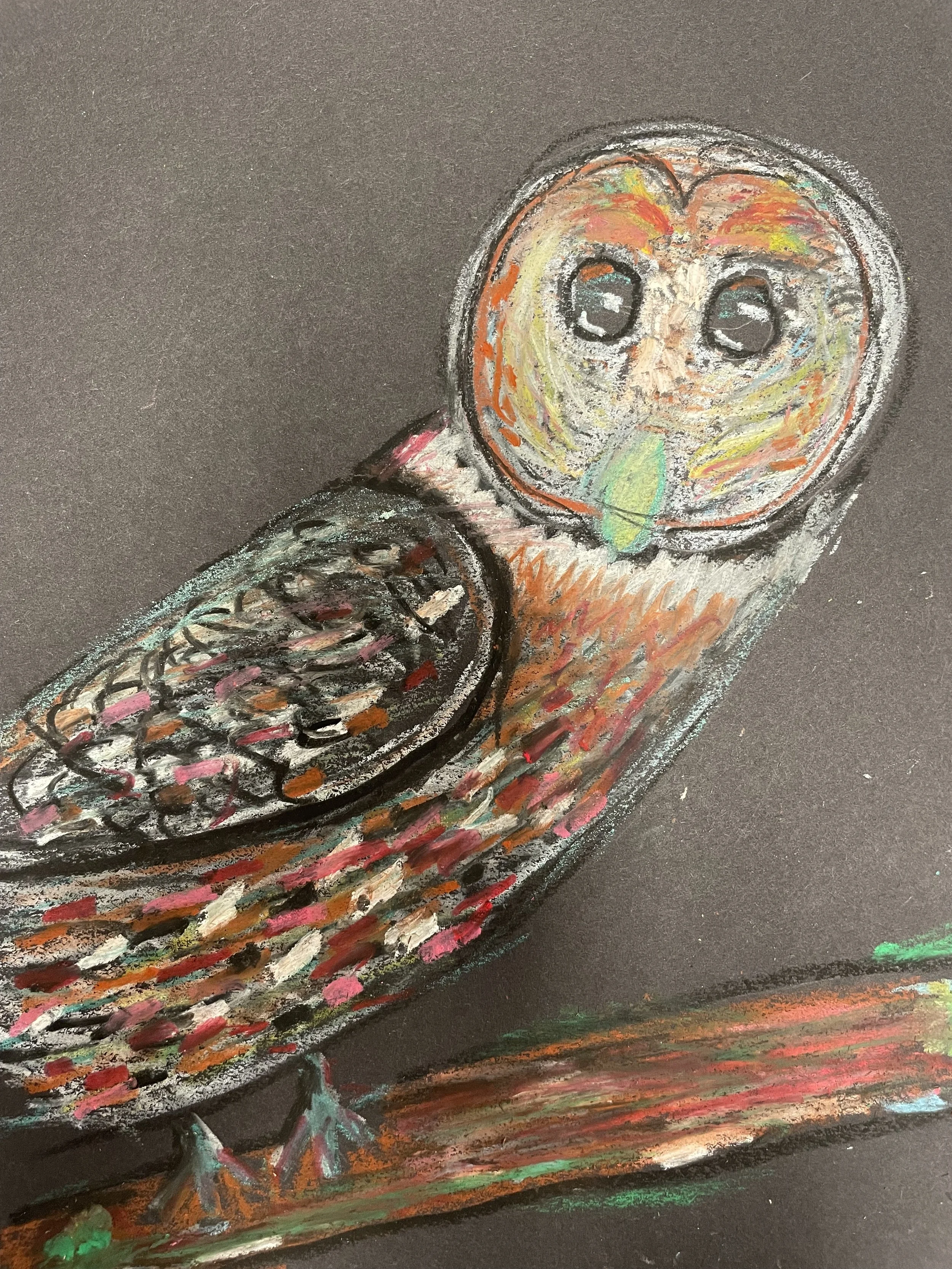
A big thank you to Catherine, our A-level student who has been helping us support the children with their activities this half term, for sharing her top tips for working with oil pastels. Her demonstrations helped the children understand how using contrasting areas of light and dark pastel colours can give their drawings depth and interest. Well done everyone, your woodland artworks were wonderful and the last couple of weeks have been a hoot!